

A new national poll indicates a significant dip in public support for President Donald Trump, with economic anxieties appearing to be a primary driver. The latest Reuters/Ipsos poll, conducted and published in mid-December 2025, reveals that the President's approval rating has slipped to 39%.
Poll Details and Key Findings
The survey, which provides a snapshot of American voter sentiment, was released on December 16, 2025. While the full methodological details and exact timing of the fieldwork were not specified in the initial report, the core finding is clear: less than four in ten Americans currently approve of the job President Trump is doing. The poll summary directly cites the state of the economy as a key factor weighing on the President's standing with the public.
The Economic Context
Although the poll report does not delve into specific economic metrics, the linkage suggests that voter concerns over inflation, job markets, or overall financial stability are impacting political perceptions. This dip to 39% approval comes at a time when many households are assessing their economic prospects, potentially influencing their view of the administration's performance. The poll's emphasis on the economy as a weight indicates it is a dominant issue in the current political landscape.

Analysis and Political Implications
A sub-40% approval rating is often viewed as a critical threshold in political analysis, signaling potential vulnerability. For President Trump, this figure represents a measurable decline that his political opponents are likely to highlight. The Reuters/Ipsos finding adds a crucial data point to the understanding of the pre-election year political climate in the United States. It underscores how economic indicators and day-to-day financial pressures on citizens can swiftly translate into shifting political fortunes, setting the stage for the policy debates to come.
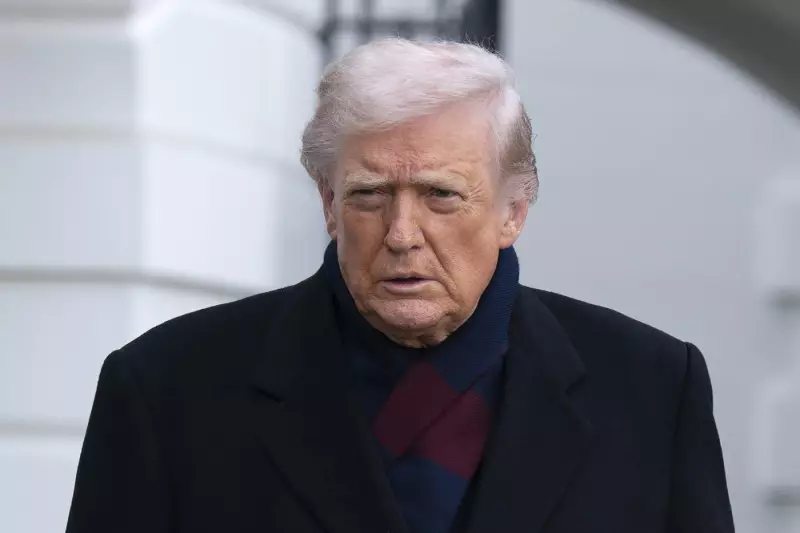
As the news broke, the President was pictured departing the White House on Saturday, December 13, 2025, en route to Baltimore to attend the Army-Navy football game, a reminder of the constant interplay between official duties and public perception measured by polls such as this one.






