

In a powerful opinion piece, Andrea Freedman, CEO of Ben-Gurion University Canada, issues a stark warning: for Jewish Canadians, the threat of antisemitism is not a matter of perception but a lived and dangerous reality. Writing in the wake of global violence, Freedman calls for a decisive societal stand against what she describes as the world's oldest hatred.
The Shattered Illusion of Safety
Freedman reflects on what she now sees as a "golden age" for Canadian Jews in the decades following the Holocaust, a period where public antisemitism became socially unacceptable. She admits that many, including herself, lived with a sense of security, believing that assimilation and contribution to society would guarantee acceptance. This belief, she argues, was an illusion.
She points to the disproportionate philanthropic contributions from the Jewish community, which represents only about three per cent of Canada's population, to museums, hospitals, and universities. "Jews were determined to be partners in building a better, more just society for all," she writes. Yet, this generosity is often twisted by antisemites into a sinister narrative of Jews trying to "buy" acceptance.

From Hateful Words to Murderous Actions
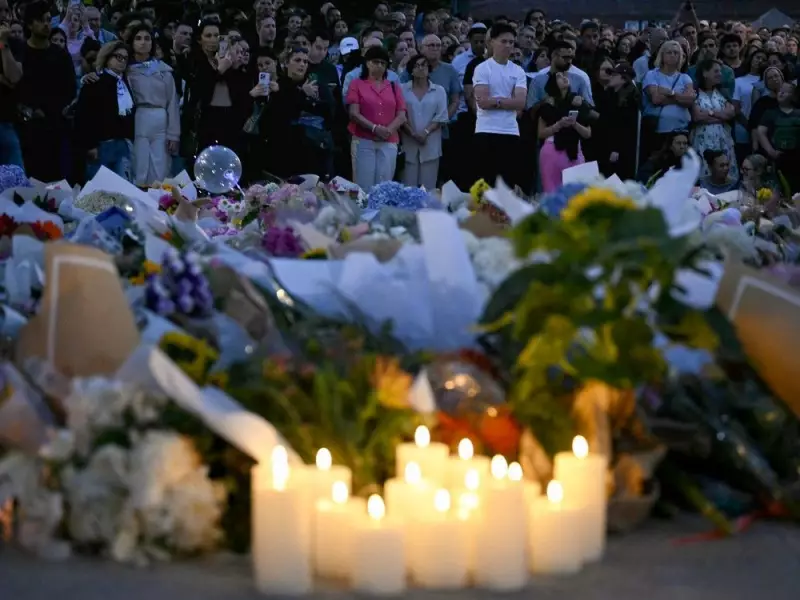
The core of Freedman's argument is that violent rhetoric inevitably leads to violence. She directly references the mass shooting at Bondi Beach in Australia as a horrific example of where chants like "globalize the intifada" can lead. "For years, Jewish leaders have been saying as loud as we can that hateful words lead to murderous actions," she states, expressing despair that too few have listened or cared.
In Canada, she notes, the need for security is palpable. "Drive past any Jewish institution today and you might see private security guards, volunteer citizen patrols, and often a police presence," Freedman observes. "This is not paranoia. This is lived reality." She emphasizes the distinction: "It is not that Jews feel unsafe. We are unsafe."
A Call for Moral Leadership and Action
Freedman criticizes the failure of institutions and leaders to adequately confront antisemitism. She cites a specific incident from the past summer, where a Jewish woman was stabbed in a Loblaws store in what police called an antisemitic attack. Despite sending multiple emails to the company's CEO, Freedman says she received no response and Loblaws issued no statement condemning antisemitism, which she labels a "missed opportunity for moral leadership."
She also highlights the torrent of online hate directed at simple acknowledgments of Jewish life, such as a hockey team's Hanukkah post, or at politicians who dare to denounce antisemitism.
Her message to fellow citizens is twofold: a heartfelt thanks to the "disturbingly small number of allies," and a direct accusation to everyone else. "J’accuse. Do better. Do more," she demands. Freedman urges Canadians to wake up, stand up, and "take a stand against Jew hatred," insisting that antisemitism has become fashionable and must be made morally unacceptable to oppose.
Freedman, based in Montreal, concludes that antisemitism is not a "Jewish problem" but a societal cancer of hatred directed at Jews. Her plea is for all citizens to recognize the danger and act before it's too late.






