Victoria Mayor Declares City at Capacity for Supporting Unhoused Population
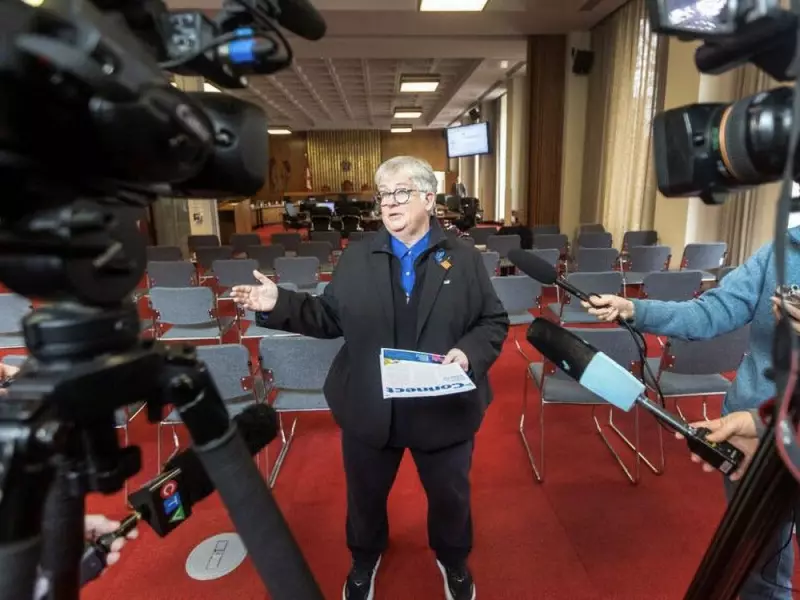
Victoria has reached its maximum capacity for providing services and support to individuals experiencing homelessness, according to Mayor Marianne Alto. The city's leader made this declaration following an update on the community safety and wellbeing plan designed to address street disorder in the British Columbia capital.
"We Have Done More Than Our Share"
Mayor Alto emphasized that Victoria has carried a disproportionate burden compared to neighboring municipalities when it comes to hosting supportive services for vulnerable populations. "While we have done more than our share, we are now at a point where we have pretty much concluded the ability to welcome anyone else into the city," Alto stated during recent media comments.
The mayor acknowledged that Victoria will continue responding to the needs of current residents and working with available partners, but stressed that the city is not seeking to increase its existing responsibilities. "We think we've done enough," she affirmed, highlighting the significant resources already dedicated to addressing homelessness in the region.

Regional Disparities in Shelter Provision
The capacity declaration comes as Victoria faces the conclusion of provincial funding for temporary housing initiatives targeting homeless encampments. The remaining funds will support a new three-year shelter for individuals currently living on Pandora or Ellice streets.
Statistical comparisons reveal stark differences in regional shelter provision:
- Victoria currently maintains approximately 439 shelter spaces
- Saanich, despite having a larger population, offers just 50 shelter spaces
- The Sooke Shelter Society operates the only other suburban shelter in the region
These figures underscore what Victoria officials have described as "most of the heavy lifting" when it comes to emergency shelter provision across the metropolitan area.
Community Safety and Wellbeing Plan Implementation
Six months ago, Victoria activated its comprehensive community safety and wellbeing plan with over $10.3 million in funding, responding to a series of violent incidents in the downtown core. The 99-point initiative encompasses eight categories addressing various aspects of urban safety and support:
- Enhanced bylaw and police presence with increased enforcement
- Housing and healthcare accessibility improvements
- Aesthetic enhancements throughout downtown areas
- Street disorder reduction strategies
- Perception of safety improvements
- Community partnership development
- Municipal department restructuring
- Long-term sustainability planning
According to recent staff updates, all eleven priority actions have been implemented, with several already completed. Specific accomplishments include:
- Hiring additional bylaw officers for downtown cleanup operations
- Recruiting new police officers to strengthen downtown presence
- Establishing a municipal department of wellbeing and safety
- Collaborating with community organizations on housing initiatives
Ongoing Initiatives and Future Developments
Next month will see the launch of new community safety field hubs on Pandora Avenue and Douglas Street. These facilities aim to increase police and bylaw officer visibility while contributing to reduced social disorder and criminal activity in high-need areas.
Spring will bring Pandora Avenue restoration efforts, including street cleaning, fencing removal, and median establishment at the Vancouver Street and Pandora intersection. These physical improvements complement the social service components of the broader safety strategy.
Councillor Dave Thompson emphasized the plan's active implementation, noting that "the community safety and wellbeing plan isn't a plan that gets published, put on a shelf, and turns dusty. There is implementation happening over time."

Despite these comprehensive efforts, Mayor Alto's declaration signals that Victoria has reached a critical juncture in its capacity to absorb additional responsibility for regional homelessness support, setting the stage for renewed conversations about equitable burden-sharing across British Columbia municipalities.