UCP Accused of Scapegoating Over Governance in Alberta
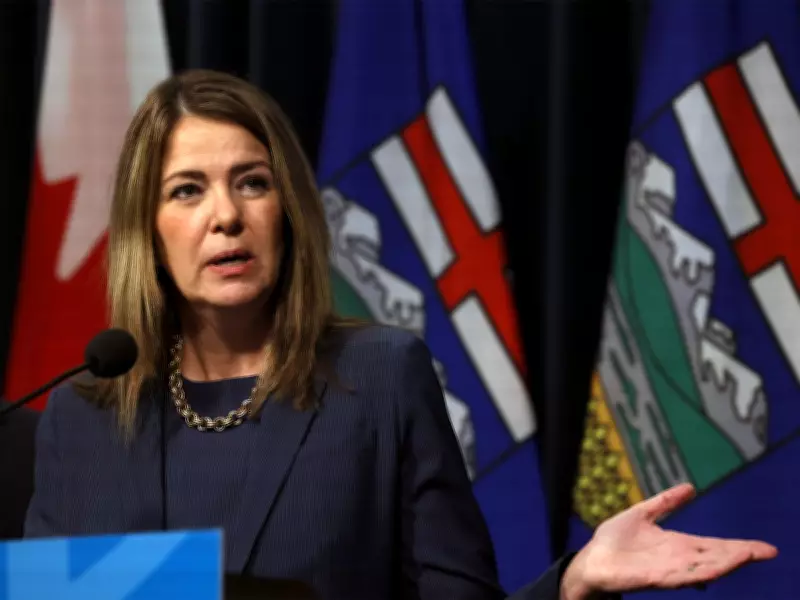
In a series of pointed letters published on Wednesday, the United Conservative Party (UCP) government of Alberta faces sharp criticism for what observers describe as a pattern of blaming others rather than addressing core governance challenges. The letters, responding to Premier Danielle Smith's recent announcements, highlight inconsistencies in her messaging and question the government's commitment to public service funding amid economic uncertainties.
Inconsistent Economic Narrative Raises Eyebrows
Premier Smith's speech presented a contradictory picture of Alberta's economic situation. She began with glowing rhetoric, stating, "The Alberta economy is once again booming. We are leading the entire country in virtually every economic category from job growth to investment to GDP to wages." This optimistic portrayal suggested life in Alberta was prosperous and stable.
However, this narrative quickly shifted as Smith identified budgetary problems, blaming immigrants for creating fiscal havoc. This abrupt change left many bewildered, with one letter writer noting the premier's message appeared incoherent and lacking substance on addressing the fundamental risks of Alberta's resource-revenue volatility.

Immigration Numbers Tell a Different Story
The criticism extends to Smith's handling of immigration statistics. Government data reveals that net migration into Alberta dropped dramatically from 42,311 in Q3 2024 to just 5,849 in Q3 2025—a decrease of 86.2%. Despite this significant decline, the premier continues to frame immigration as an overwhelming fiscal burden.
One letter clarifies that Smith's population goals have been distorted. Her actual request was for an additional 10,000 allocations for Ukrainian evacuees, plus 20,000 for economic immigration needs within the federal framework. Instead, Alberta received 230,000 allocations over several years, far exceeding what was requested. The premier's long-term goal to double the population by 2050 has been conflated with short-term immigration spikes, creating what critics call misleading narratives.
Lack of Data Behind Claims
When pressed for details on the financial burden newcomers place on health and education systems, Smith admitted, "It's tough. We'd have to do the figuring out. We don't track residents and how much they use. All I can give you is averages about what things cost." This admission underscores a concerning lack of empirical evidence behind the government's claims, raising questions about policy decisions based on anecdote rather than data.
The letters collectively argue that the UCP has demonstrated no intention to fully fund public services, regardless of population changes. Instead, the government is accused of embracing scapegoating-populism tactics, where leaders avoid responsibility by blaming immigrants and others for governance failures.
Calls for Fact-Based Accountability
Writers emphasize the need for accountability based on facts rather than emotional headlines or viral misinformation. As one letter states, "We can disagree on policy. But we cannot build a serious political movement on distortions." The criticism centers on the UCP's preference for blame over governance, particularly regarding the ongoing challenges of resource revenue instability that remains unaddressed in Smith's referendum plans.
The letters from Edmonton residents Jay Smith and J.T. Syrnyk reflect growing frustration with political rhetoric that prioritizes narrative over substance, urging Albertans to demand better from their leaders.