Toronto Mayor Faces Criticism Over Response to Antisemitic Violence
In the wake of recent gunfire incidents targeting three synagogues across the Greater Toronto Area, concerns are mounting about the adequacy of municipal leadership in addressing escalating antisemitic violence. While official responses have included expressions of sympathy and condemnations, critics argue these measures fall dangerously short of providing real protection for Jewish communities facing normalized threats.
The Reality Behind Official Statements
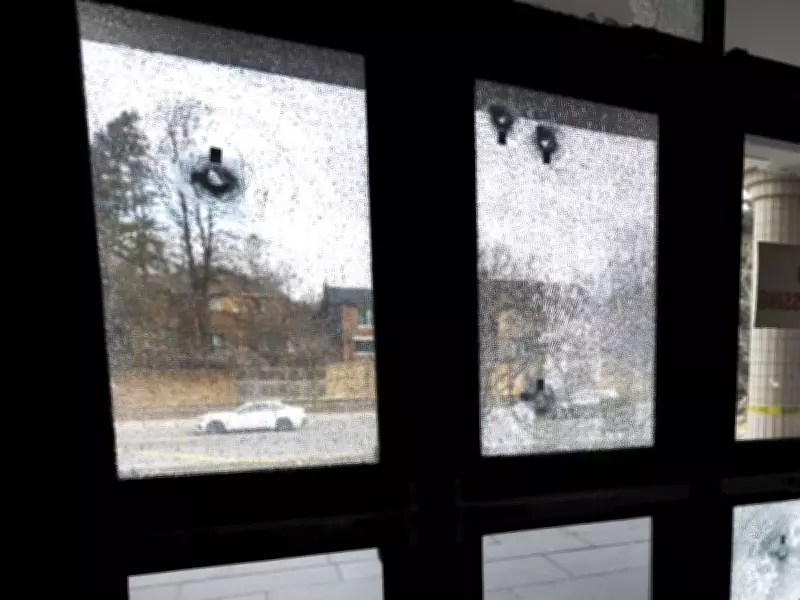
What began as isolated incidents has evolved into a disturbing pattern of violence against Jewish institutions in Toronto. One synagogue, Kehillat Shaarei Torah, has been targeted ten times since October 7, with visible damage from previous attacks still apparent on its windows. Despite this repeated targeting, Mayor Olivia Chow has not visited the synagogue even once, raising questions about the city's commitment to protecting vulnerable communities.
The situation has reached a critical point where Jewish Torontonians now navigate their daily religious practices with heightened security concerns. Families attending synagogue services must now routinely assess exit routes and potential hiding places, while institutions have implemented security fences, metal detectors, and rely on intermittent police patrols for protection.

Warning Signs Ignored
For over two years, the Jewish community has consistently warned about escalating hatred that was inevitably leading to violence. The evidence has been undeniable:
- Multiple synagogue vandalizations
- Targeted attacks on Jewish schools
- Jewish residents being doxed and harassed
- Protesters chanting genocidal slogans in Jewish neighborhoods
Despite these clear warning signs, city leadership has continued to treat statements as sufficient responses to growing threats. "Statements do not stop bullets," critics emphasize, pointing to the gap between rhetorical support and tangible protective measures.
The Performance of Concern
Critics describe the current approach as political theater that allows leaders to appear concerned while avoiding difficult policy decisions. Statements of solidarity require no reallocation of resources, no acknowledgment of systemic failures, and no confrontation with uncomfortable truths about the severity of the situation.
The true measure of progress, according to community advocates, is whether Jewish residents can participate in religious life without fearing they might become the next target of violence. With the trajectory of antisemitic incidents clearly escalating, the fundamental question remains whether Toronto's leadership will implement substantive protective measures before tragedy strikes.
A Call for Tangible Action
Some have suggested that Mayor Chow and city council members should temporarily work from the synagogues that have been attacked, experiencing firsthand the security challenges these institutions face daily. This would include navigating security checkpoints, observing bullet-damaged windows, and understanding the constant vigilance required of congregants.
The Jewish community's warnings have been consistent and clear: the current approach is inadequate for the level of threat they face. If a mass-casualty attack occurs, leaders will not be able to claim surprise or ignorance of the escalating danger. They will simply have to confront the reality that they were in positions of authority and watched the situation deteriorate without implementing effective protective measures.
As Toronto's Jewish community continues to advocate for meaningful protection, the gap between official statements and substantive action grows increasingly apparent, creating a climate of vulnerability that demands urgent attention from municipal leadership.