Speaker's Decisive Vote Secures NDP Budget Passage in B.C. Legislature
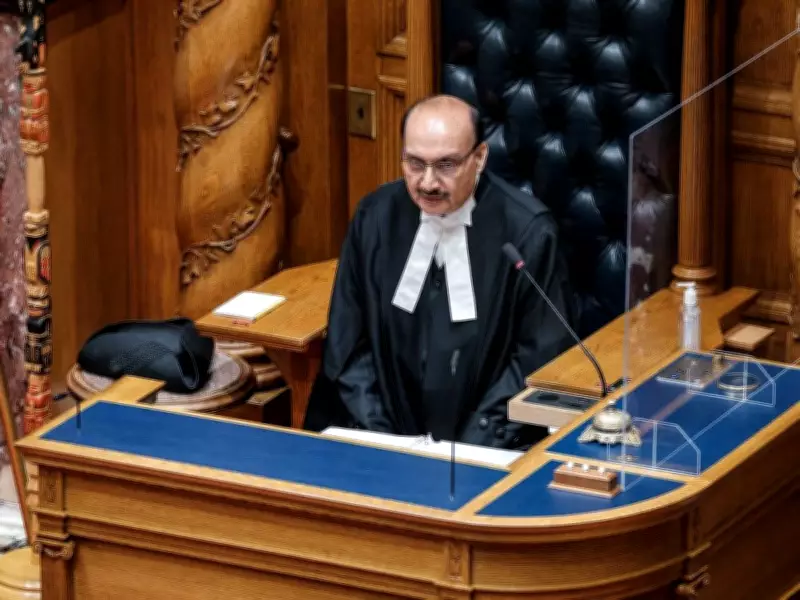
In a critical parliamentary moment that underscored the fragility of British Columbia's political landscape, Speaker Raj Chouhan cast a tie-breaking vote on Thursday to advance the NDP government's budget through the legislature. The vote revealed that despite widespread criticism of the budget's content, the governing New Democrats can still maneuver their legislative agenda with their bare, one-seat majority.
The Parliamentary Procedure That Held Government Fate
The motion that triggered this dramatic vote was framed in traditional parliamentary language, stating that "the Speaker do now leave the chair for the house to go into the committee of supply." While this phrasing might seem arcane to casual observers, its meaning carried profound political implications. The motion essentially cleared the way for detailed debate on Budget 2026 after approving it in principle, marking the first and most crucial vote on the government's financial plan.
This procedural step represented a confidence matter for the government. Had the motion been defeated, the NDP government would have fallen, plunging British Columbia into an immediate election. The stakes couldn't have been higher for Premier David Eby's administration as it sought to implement its fiscal agenda.

The Breakdown of Votes and Speaker's Intervention
When the votes were tallied, the legislature found itself in perfect deadlock. All 46 New Democratic Party members voted in favor of the motion, while all 46 opposition members—comprising 39 Conservatives, two Greens, and five independents—voted against it. This exact numerical tie set the stage for Speaker Chouhan's rare intervention.
"The votes being equal, the chair must make a casting vote," declared Chouhan from the Speaker's chair. "The motion is a confidence matter, and confidence of the house should not be decided at the sole vote of the chair. Therefore, the chair votes in favour of the motion, and the motion, therefore, is carried."
This parliamentary procedure, while infrequently invoked, demonstrated the Speaker's role in breaking legislative impasses when government confidence hangs in the balance.
Modern Voting Methods and Legislative Flexibility
Notably, the vote incorporated modern technological adaptations to parliamentary practice. While most Members of the Legislative Assembly cast their votes in person on the legislature floor, approximately half a dozen participated through video-conferencing technology from their home offices. This remote voting option, adopted two years ago, has proven particularly beneficial for ailing members who might otherwise miss crucial votes.
On Thursday, three of those voting remotely—one government MLA and two opposition members—had been listed on the sick roster over the past year, highlighting how technological adaptations have increased legislative participation despite health challenges.
Political Implications and Future Budget Votes
The outcome confirmed that despite persistent speculation about potential government defeat, the NDP majority can prevail on every vote it schedules. Since the government controls the timing of legislative votes, the only path to defeat would require miscalculation of their own members' attendance—a scenario parliamentary rules guard against through provisions for vote do-overs if government members miss crucial divisions.
Following this initial victory, NDP house leader Mike Farnworth reminded the legislature that three additional confidence votes on the budget remain ahead. The most immediate is the Supply Act, which must pass by March 31 to authorize approximately $21 billion in interim government spending for the first quarter of the fiscal year.
This parliamentary drama illustrates how even the most criticized budgets can advance when a government maintains disciplined control over its legislative members and understands the intricacies of parliamentary procedure. The NDP's ability to navigate this challenge demonstrates their operational control despite holding the slimmest possible majority in British Columbia's political history.