Alberta Premier's Policy Moves Generate Heated Public Response
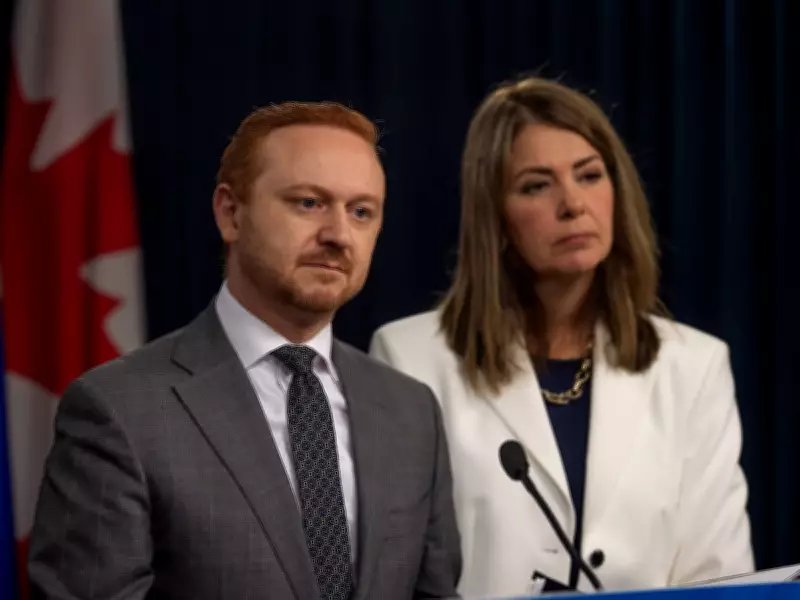
Premier Danielle Smith and Justice Minister Mickey Amery announced new medical assistance in dying (MAID) legislation in Edmonton on Wednesday, March 18, 2026, sparking immediate controversy and public debate. The proposed changes aim to tighten existing rules governing end-of-life decisions in Alberta.
MAID Restrictions Draw Strong Opposition
Public reaction to the MAID policy changes has been overwhelmingly negative among letter writers. "Having the ability and privilege to choose when we leave this world is such a gift to one's self," wrote one concerned citizen, expressing a sentiment echoed by many others. The emotional weight of witnessing loved ones in physical or mental agony day after day was cited as a primary reason for supporting current MAID provisions.
Critics argue that existing MAID laws were carefully developed with kindness, consideration, compassion, and brotherly love. "There are many restrictions in place so that the decision for MAID is not frivolous," noted one writer, emphasizing that the current framework already includes substantial safeguards. Many expressed concern that the United Conservative Party (UCP) government is moving in the wrong direction by seeking to curtail what they view as a fundamental human right.

Kathy Hoggan of Edmonton articulated a common perspective: "I thought our civilization had evolved when we could humanely send our fur friends to the rainbow bridge, but now the UCP government wants to curtail this kindness for our loved ones." This comparison between veterinary euthanasia practices and human end-of-life care resonated throughout the letters.
Library Book Ban Controversy
Separately, the Smith government's decision to ban explicit materials from school libraries has generated its own heated debate. While the Writers Guild of Alberta has criticized the move as a violation of freedom of expression, supporters argue that protecting children's innocence takes precedence.
"While the defence of free speech is in itself a noble cause, it is not a good thing in all cases," wrote Gary Burton of Edmonton. Supporters of the ban contend that exposing children to graphic content in school libraries can damage their sense of innocence and purity, which they should maintain until mature enough to distinguish between appropriate and inappropriate material.
The controversy intensified when Education Minister officials questioned members of the Library Association of Alberta about how graphic images benefit children, reportedly receiving no substantive answers or evidence to support their inclusion. "Some organizations are too eager in exposing young students to oral sex, pedophilia, child molestation and other extremely sexually explicit materials in school libraries," Burton added, defending the government's position.
Additional Political Criticism
The letters also addressed Mayor Knack's criticism of Police Chief Warren Driechel for attending a policing conference in Israel. Critics of the mayor's position argue that Israel is well-known for quality police work in challenging circumstances and that the conference represented a valuable learning opportunity.
"His public display of displeasure at the chief for attending what looks to me like a very worthwhile police learning opportunity is not a good look for him or for our city," wrote one concerned resident. The writer suggested that speaking out under pressure often leads to error and that an apology from the mayor would help restore public trust.
These diverse letters reflect growing public engagement with multiple policy fronts in Alberta politics, demonstrating how healthcare decisions, educational content, and international professional engagements all intersect in the public consciousness.