Saskatchewan Government, NDP, and CUPE Continue to Spar Over Library Safety Issue
The political landscape in Saskatchewan remains tense as the provincial government, the opposition NDP, and the Canadian Union of Public Employees (CUPE) engage in a protracted dispute regarding safety protocols at public libraries. This ongoing conflict underscores broader debates over public services and worker protections in the region.
Background of the Dispute
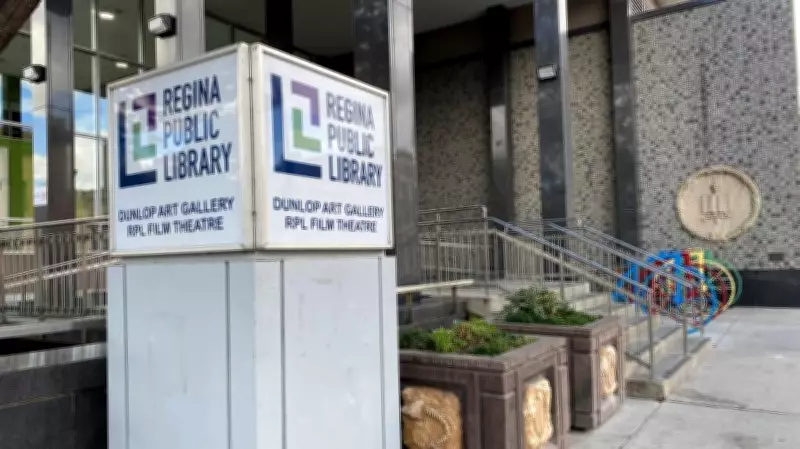
The controversy centers on the safety conditions within libraries, particularly at the Regina Public Library's Central Branch, which has been a focal point in recent discussions. Concerns have been raised about the adequacy of measures to protect both staff and patrons, with CUPE representing library workers advocating for enhanced security and resources.
In response, the Saskatchewan government has defended its policies, emphasizing existing initiatives and budget allocations aimed at maintaining safe public spaces. However, the NDP has criticized the government's approach, alleging insufficient action and calling for more robust investments in library safety infrastructure.

Key Arguments from Each Side
Government Position: Officials argue that current safety measures are effective and aligned with provincial standards. They point to ongoing reviews and collaborations with library administrations to address any emerging issues.
NDP Criticism: The opposition party contends that the government is neglecting the well-being of library workers and visitors. They have proposed legislative changes and increased funding to bolster safety, citing public support for such measures.
CUPE Advocacy: The union highlights firsthand accounts from library staff about safety challenges, including incidents of harassment and violence. CUPE is pushing for mandatory training, improved security personnel, and better emergency response protocols.
Implications for Public Services
This dispute reflects larger tensions in Saskatchewan's political arena, where debates over public sector funding and worker rights are common. The outcome could influence future policies on library operations and set precedents for other public institutions across the province.
As discussions continue, stakeholders are urging for a collaborative resolution that prioritizes safety without compromising access to library services. The situation remains fluid, with potential for further developments as negotiations and public consultations progress.