Quebec Budget Draws Criticism for Lack of Affordability Measures
The Coalition Avenir Québec government's latest budget has come under fire from opposition parties for failing to provide substantial relief to residents grappling with an ongoing affordability crisis. Despite some increases in funding for social programs, critics argue the budget does little to address the soaring costs of essentials like groceries, transportation, and housing that are squeezing Quebecers.
Opposition Voices Decry Insufficient Support
Liberal MNA André Fortin emphasized the widespread struggle, stating, "People are struggling to pay their grocery bills, to make ends meet." He criticized the government's response as inadequate, noting that the announcement of only 5,000 additional subsidized daycare spots falls short for a population of nine million. "It's a very partial answer," Fortin added.
Ruba Ghazal, co-spokesperson for Québec solidaire, called the budget a missed opportunity, saying it "was the CAQ's last chance to give people some oxygen, and they failed." She highlighted the housing crisis, pointing out that the plan to build just 1,000 new housing units over three years is "irresponsible and insulting" to families facing rising rents and mortgages.

Pascal Paradis, the Parti Québécois finance critic, specifically targeted inflation's impact, noting that transportation and food are among the hardest-hit categories. He asserted that the budget offers no meaningful relief in these critical areas, leaving many Quebecers without support.
Key Budget Measures Announced
While opposition parties focused on shortcomings, the budget did include several measures aimed at addressing social and economic challenges:
- Daycare Spots: Quebec will convert 5,000 non-subsidized daycare spots into subsidized ones, costing $95 million annually. This allows parents to pay as little as $9.65 per day, significantly reducing childcare expenses.
- School Tax Cap: The increase in school taxes for property owners will be limited to three percent in 2026, maintaining a cap in place since 2022. The province will provide $96 million per year to ensure school funding and services are not affected.
- School Cultural Activities: After public backlash, Quebec reversed planned cuts and will maintain funding for school cultural activities, such as events with artists and outings to museums and theatres, at a cost of $119 million over five years.
- Domestic Violence Funding: An additional $260 million over five years is allocated to combat domestic violence, with $91 million for shelters and $73 million for specialized courts.
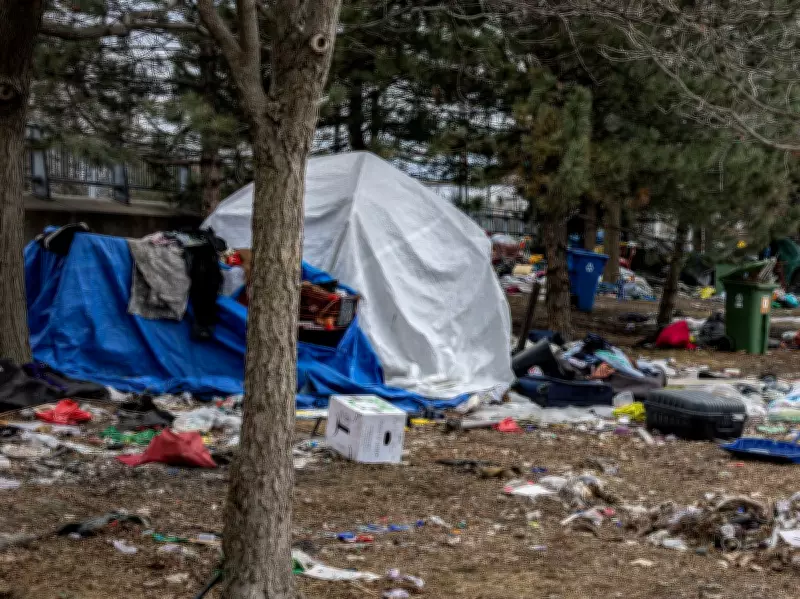
- Homelessness and Mental Health: Funding increases include $90 million over five years for homelessness prevention, including an eviction-prevention project and 1,000 new housing units, plus $174 million for mental health support.
- Automatic Tax Filing: Starting next year, Quebec will automatically file income tax returns for at least 10,000 residents with simple tax situations, aiming to help low-income individuals access financial aid like the solidarity tax credit. A pilot project will also allow 335,000 people to file simplified forms in 2026.
- Housing Initiatives: With average monthly rent in Quebec rising from $845 in 2020 to $1,232 in 2025—a 45 percent increase—the budget allocates $741 million over three years. This includes funds for 1,000 affordable housing units, support for vulnerable households, and renovations to low-income housing.
Industry and Housing Concerns
The Association des professionels de la construction et de l’habitation du Québec expressed disappointment, arguing that the budget does not sufficiently boost residential construction. They noted that Quebec needs 100,000 new housing units annually to meet demand, but only 60,000 are currently being built, highlighting a persistent gap in addressing the housing crunch.
Overall, while the Quebec budget includes targeted investments in social programs, opposition leaders contend it fails to tackle the broader affordability crisis affecting daily life for many residents.