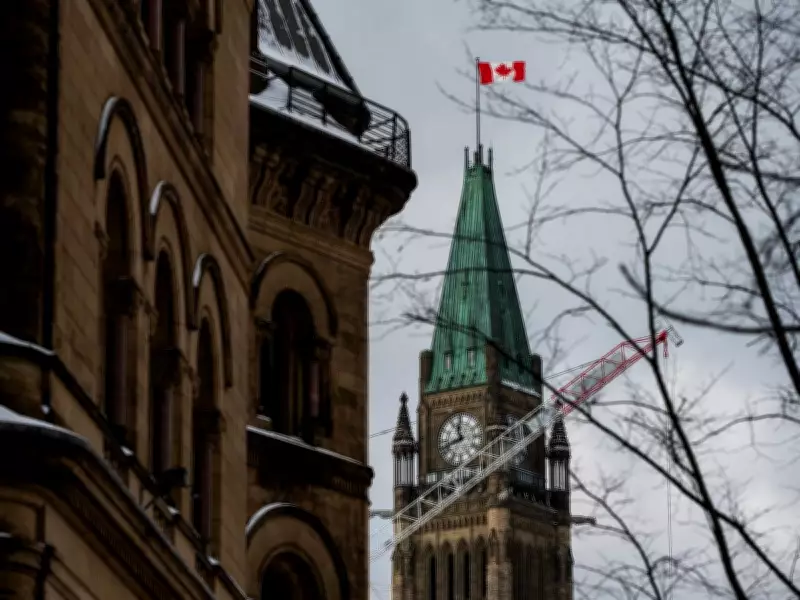
As spring approaches, millions of Ontarians once again adjusted their clocks forward this past weekend, continuing the biannual ritual of "spring forward" and "fall back." This practice, however, has become a source of growing frustration and debate across the province.
The Legislative Hurdle
In 2020, Premier Doug Ford's government passed legislation that would have ended the twice-yearly changing of clocks in Ontario. The bill represented a significant step toward aligning with public sentiment that increasingly views the time changes as disruptive and unnecessary.
However, the legislation came with a crucial stipulation: implementation would only proceed if neighboring jurisdictions—specifically Quebec and New York—made similar moves. This coordination requirement has effectively stalled Ontario's transition to permanent timekeeping.

Neighboring Jurisdictions Hold the Key
The situation in neighboring regions remains uncertain. Quebec conducted public consultations about ending time changes in 2024, but no definitive action has followed. Meanwhile, in New York, proposed bills to stop the practice have stalled at committee levels without becoming law.
A spokesperson for the Ford government recently reiterated Ontario's position: "In 2020, the Ontario Legislature passed Bill 214 that states Ontario will do away with Daylight Saving Time if New York and Quebec do the same. That remains our position."
Provinces That Have Already Made the Change
While Ontario waits, several other Canadian jurisdictions have moved forward with abandoning the biannual clock changes:
- British Columbia: Premier David Eby announced on March 2 that his province would make Daylight Saving Time permanent starting this year, meaning British Columbians won't need to "fall back" in November.
- Saskatchewan: Has maintained Central Standard Time year-round since 1966, effectively avoiding the time change issue for decades.
- Yukon: Adopted Yukon Standard Time in 2020 and abandoned biannual time changes.
Alberta Premier Danielle Smith is now considering similar action, particularly as her province finds itself sandwiched between British Columbia and Saskatchewan, both of which have abandoned the practice.
The Case Against Time Changes
Proponents of ending the clock changes cite numerous negative impacts:
- Sleep disruption affecting children, parents, and adults without children alike
- Increased car accidents following time changes
- General negative effects on public health and well-being
- Disruption to daily routines for both humans and pets
When British Columbia's legislature initially passed legislation allowing for the end of time changes seven years ago, 93 percent of residents supported moving to permanent Daylight Saving Time, though more than half preferred waiting until the United States followed suit.
The Path Forward for Ontario
The reality for Ontario residents is that despite legislative groundwork being laid in 2020, the end of clock changes remains contingent on actions beyond provincial borders. The requirement for coordination with Quebec and New York creates a complex geopolitical dimension to what might otherwise seem like a straightforward policy decision.
As other provinces move forward with permanent time arrangements, pressure may increase on Ontario to find alternative solutions or push harder for regional coordination. For now, however, Ontarians can expect to continue adjusting their clocks twice yearly while watching neighboring jurisdictions potentially enjoy more stable timekeeping arrangements.