Kitchener Officials Voice Alarm Over Provincial Conservation Authority Restructuring
Local representatives in Kitchener are raising significant concerns regarding the Ontario government's newly announced plan to consolidate multiple conservation authorities across the province. This proposed structural overhaul has sparked apprehension among municipal leaders who fear it may undermine critical environmental protections and compromise long-established flood management systems.
Preserving Local Expertise and Watershed Management
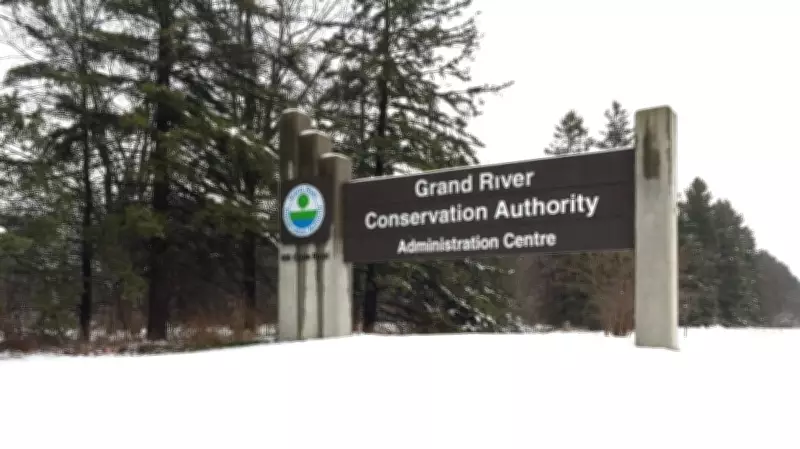
The Grand River Conservation Authority (GRCA), which oversees watershed management across Kitchener-Waterloo and surrounding regions, represents one of the organizations potentially affected by this merger initiative. Local officials emphasize that conservation authorities like the GRCA possess invaluable localized knowledge about regional ecosystems, hydrological patterns, and community-specific environmental challenges.
"These authorities have developed decades of specialized expertise regarding their specific watersheds," explained one municipal representative who requested anonymity. "A centralized provincial model risks losing this granular understanding that is essential for effective flood prevention and environmental stewardship."

Potential Impacts on Flood Control and Environmental Programs
Conservation authorities currently manage numerous vital functions including:
- Flood forecasting and warning systems
- Watershed planning and monitoring
- Natural heritage protection
- Environmental education programs
- Recreational area management
Local officials worry that merging these entities could dilute resources and attention from region-specific priorities. The Grand River watershed, for instance, has unique characteristics that require tailored management approaches different from those needed in northern Ontario or the Great Lakes regions.
Historical Context and Recent Developments
Conservation authorities in Ontario were originally established following devastating floods in the mid-20th century, with the specific mandate to manage watersheds on a regional basis. The current system includes 36 conservation authorities across the province, each governed by a board of directors appointed by member municipalities.
The provincial government has indicated that the proposed consolidation aims to improve efficiency and reduce administrative duplication. However, Kitchener officials counter that the existing structure already operates efficiently and that any perceived administrative savings might come at the expense of environmental protection effectiveness.
"We've seen what happens when flood management systems are compromised," noted another local representative, referencing historical flooding events in the region. "The current system isn't broken, so we question why such a radical restructuring is being proposed."
Municipal Consultation and Next Steps
Local governments across Ontario are now evaluating how to respond to the provincial proposal. Kitchener officials plan to coordinate with other affected municipalities to develop a unified position before formal consultations begin. They emphasize that any restructuring must preserve local input in conservation decisions and maintain the scientific rigor that has characterized the current system.
The debate over conservation authority mergers reflects broader tensions between provincial standardization and local autonomy in environmental governance. As climate change increases the frequency and severity of extreme weather events, the effectiveness of watershed management systems becomes increasingly critical for community safety and environmental sustainability.