Ontario PCs Reverse Course on Media Ban, Granting Journalists Access to Premier Ford's Convention Address
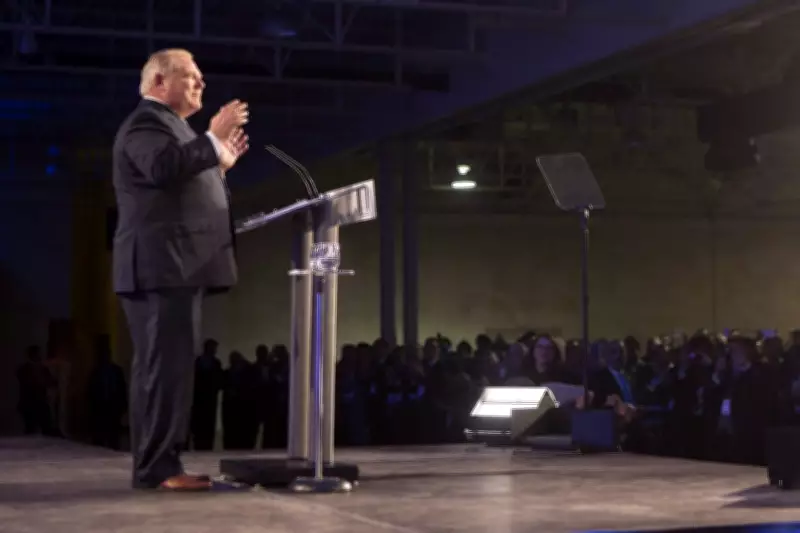
In a significant policy reversal, the Ontario Progressive Conservative Party has announced it will allow reporters to cover Premier Doug Ford's upcoming speech at the party's convention. This decision comes after the party initially planned to bar media from the event, sparking widespread criticism from press freedom advocates and political opponents alike.
Background and Initial Controversy
The controversy began when party officials indicated they would implement a media blackout for Premier Ford's convention address, a move that would have marked a departure from traditional political transparency in Ontario. The proposed ban raised immediate concerns about democratic accountability and the public's right to information about their elected officials' statements and policy directions.
Political observers noted that such restrictions on media access to major party events are unusual in Canadian politics, particularly for a governing party. The initial decision prompted questions about the Ford government's relationship with the press corps and its commitment to open governance.

The Reversal Decision
Following mounting pressure from various quarters, including media organizations and opposition parties, the Ontario PCs have now reversed their position. Party representatives confirmed that accredited journalists will be permitted to cover Premier Ford's convention speech, ensuring that his remarks reach the broader public through traditional media channels.
This reversal represents a notable shift in strategy for the governing party, which has occasionally had tense relationships with certain media outlets during its time in office. The decision to allow press coverage suggests a recognition of the importance of media access in maintaining public trust and political transparency.
Broader Implications for Political Communication
The incident highlights ongoing tensions between political parties and media organizations in the digital age, where message control and direct communication through social media platforms have become increasingly important to political strategists. However, the reversal demonstrates that traditional media coverage remains crucial for reaching diverse audiences and maintaining democratic norms.
Political analysts suggest that the initial media ban proposal may have been an attempt to control the narrative surrounding Premier Ford's convention speech without journalistic scrutiny or immediate fact-checking. The reversal indicates that such approaches face significant public and institutional resistance in Canada's political landscape.
Looking Forward
As the Ontario PC Party prepares for its convention, the media access reversal sets the stage for more transparent political proceedings. Journalists will now be able to report directly on Premier Ford's policy announcements, political messaging, and responses to current issues facing the province.
This development serves as a reminder of the ongoing importance of press freedom in Canadian democracy and the public's expectation that major political events remain accessible to independent media coverage. The episode may influence how political parties across the country approach media relations at future events, balancing message control with transparency expectations.