Ontario residents will persist in adjusting their clocks twice annually, even as British Columbia officially ends the practice of seasonal time changes. This decision stems from Ontario's 2020 legislation, which mandates that the province will only adopt permanent daylight saving time if Quebec and New York State follow suit.
B.C.'s Permanent Shift and Its Implications
British Columbia Premier David Eby announced on Monday that the province is transitioning to permanent daylight saving time by moving clocks forward one hour this weekend. Eby emphasized that this change aims to reduce disruptions for families and businesses, while supporting economic stability.
"Every parent knows that changing clocks twice a year causes a significant amount of chaos on already busy lives. British Columbians have been clear that seasonal time changes do not work for them," Eby stated. He expressed hope that neighboring U.S. states, including Washington, Oregon, California, and Nevada, will also adopt permanent daylight saving time to maintain regional consistency.

Ontario's Conditional Stance on Time Changes
In Ontario, Premier Doug Ford and the Progressive Conservative government have indicated readiness to implement year-round daylight saving time. However, this move is contingent upon Quebec and New York making similar changes. A government spokesperson clarified, "In 2020, the Ontario Legislature passed Bill 214 that states Ontario will do away with daylight savings time if New York and Quebec do the same. That remains our position."
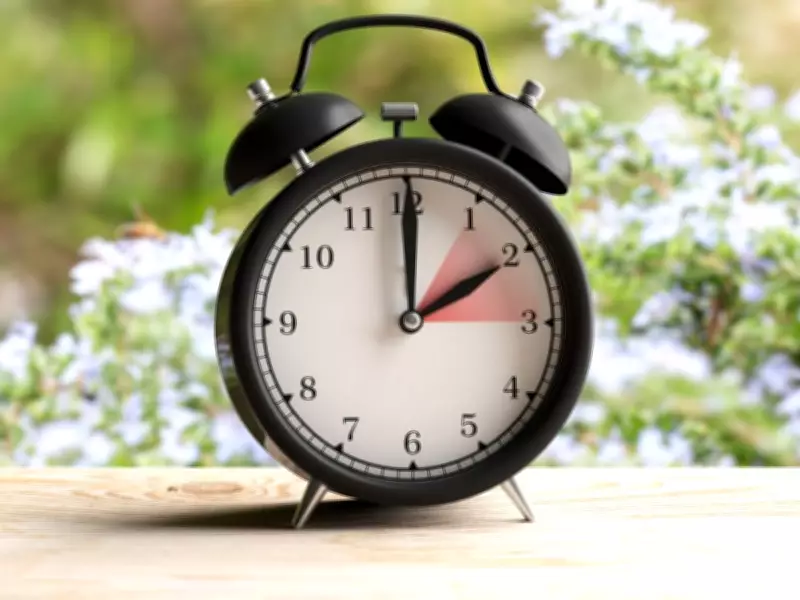
This year, daylight saving time in Ontario begins on Sunday, with clocks advancing from 2 a.m. to 3 a.m., and will conclude on November 1, when time reverts by one hour. Most of Canada, except for Yukon, Saskatchewan, and select areas in Ontario and Quebec, will continue this biannual adjustment.
Growing Public Opposition and Health Concerns
An online petition advocating for the end of seasonal time changes has garnered over 90,000 signatures. Initiated by Brampton resident Irene Shone, the petition highlights serious health and safety risks associated with clock shifts.
"Changing clocks twice a year is hazardous to your health," the petition asserts. It cites studies linking time changes to disruptions in circadian rhythms, increased incidences of strokes and heart attacks, exacerbation of depression and seasonal affective disorder, and a rise in car accidents. Shone advocates for permanent standard time to prioritize public safety.
International Perspectives on Daylight Saving Time
In the United States, former President Donald Trump has voiced opposition to daylight saving time, describing it as "inconvenient, and very costly to our Nation." Following his re-election in 2024, Trump pledged efforts to eliminate the practice, though it retains some support. In 2022, the U.S. Senate advanced a proposal to make daylight saving time permanent, reflecting ongoing debates similar to those in Canada.
The persistence of seasonal time changes in Ontario underscores the complexities of coordinating policy across jurisdictions. As British Columbia moves forward with its permanent shift, attention now turns to Quebec and New York, whose decisions will ultimately determine Ontario's timekeeping future.