

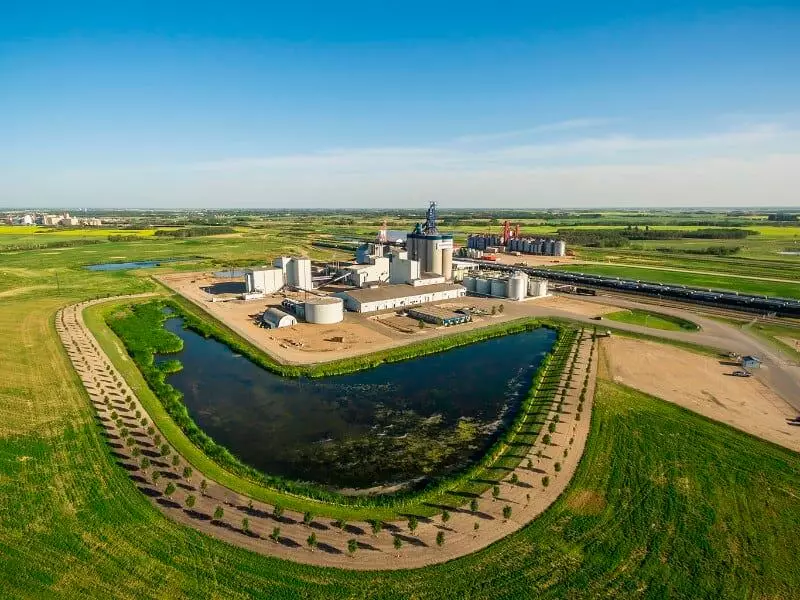
Saskatchewan NDP Presses Government to Exempt Grain Millers Drive Project from Provincial Sales Tax
The Saskatchewan New Democratic Party has launched a forceful appeal to the provincial government, demanding the removal of the Provincial Sales Tax from the ongoing Grain Millers Drive construction project. This initiative, located near Yorkton, Saskatchewan, has become a focal point for political debate regarding infrastructure funding and economic policy in the region.
Economic Implications and Political Stance
The NDP's position centers on the argument that applying PST to such critical infrastructure developments effectively "chokes on growth" by imposing additional financial burdens on projects intended to stimulate local economies and improve transportation networks. This construction effort, which involves Richardson Oilseed Limited and other key agricultural stakeholders along Grain Millers Road, represents a significant investment in Saskatchewan's vital agricultural sector.
Opposition members contend that exempting this project from PST would not only reduce overall construction costs but also demonstrate the government's commitment to supporting essential industries that form the backbone of the provincial economy. The debate emerges against a backdrop of broader discussions about tax policy, infrastructure priorities, and economic development strategies across Saskatchewan.

Broader Context of Infrastructure Funding
This specific call for PST removal occurs within a larger provincial conversation about how best to fund and prioritize infrastructure projects. Saskatchewan, like many Canadian provinces, faces ongoing challenges in balancing budgetary constraints with the need for modern, efficient transportation systems to support economic activities.
The Grain Millers Drive project itself serves as a crucial artery for agricultural transportation, facilitating the movement of grain and other products from farms to processing facilities and markets. Proponents of the PST exemption argue that such infrastructure deserves special consideration given its fundamental role in sustaining one of Saskatchewan's most important economic sectors.
As this political dialogue continues to unfold, stakeholders from various sectors will be watching closely to see how the government responds to the NDP's demands. The outcome could potentially set precedents for how similar infrastructure projects are treated under provincial tax policies in the future.






