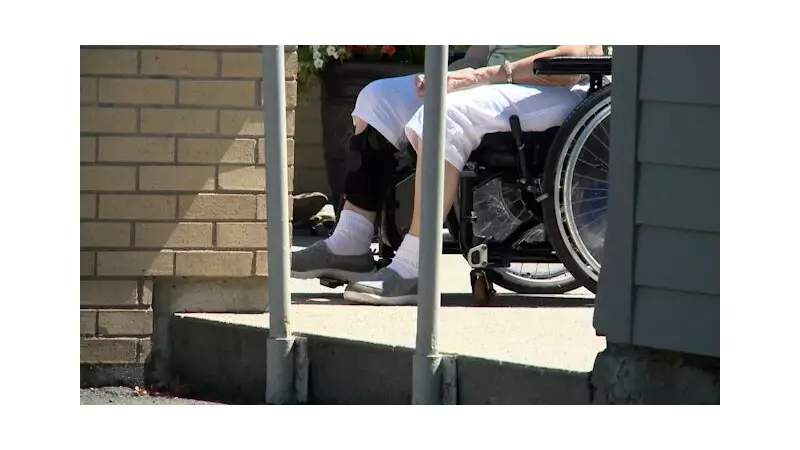
Advocates Hail New Brunswick's Dedicated Minister for Seniors as 'Good First Step'
Advocacy groups in New Brunswick are expressing cautious optimism following the provincial government's decision to appoint a dedicated minister focused on seniors' issues. This move, announced in January 2026, is being characterized by stakeholders as a positive initial measure to address the complex challenges facing the province's aging demographic.
A Growing Need for Focused Attention
With Canada's population steadily aging, provinces like New Brunswick are grappling with increasing demands on healthcare, housing, and social services tailored to older adults. The creation of this ministerial portfolio signals a recognition of these mounting pressures at the highest levels of provincial governance.
"This is a good first step," stated Laura Brown, echoing the sentiment of many advocates. "It provides a focal point within the cabinet to champion the needs of seniors, coordinate policies across departments, and ensure their concerns are not sidelined."

What a Dedicated Portfolio Could Achieve
The new minister will be tasked with developing a comprehensive strategy to improve the quality of life for New Brunswick's senior citizens. Key areas of focus are expected to include:
- Healthcare Access and Home Care: Streamlining services to allow more seniors to age comfortably in their own homes.
- Affordable and Suitable Housing: Addressing the shortage of accessible and cost-effective living options.
- Social Isolation and Community Support: Creating programs to combat loneliness and improve mental well-being.
- Financial Security: Ensuring pensions and benefits keep pace with the cost of living.
Advocates emphasize that while the appointment is promising, tangible action and sustained funding will be the true test of its effectiveness. They urge the minister to engage directly with seniors and their representative organizations to shape policies that are both practical and impactful.
The Broader Canadian Context
New Brunswick's initiative comes at a time when senior-related issues are making headlines across Canada. From debates over drug coverage, as seen with Ontario's fast-tracking of new cancer treatments, to concerns about housing and care in other provinces, the national conversation on aging is intensifying.
This provincial move could serve as a model or catalyst for similar focused approaches elsewhere in the country, highlighting the need for specialized governance structures to manage demographic shifts.
As the minister begins their work, advocates and seniors alike will be watching closely, hopeful that this "first step" leads to a sustained journey toward better support and recognition for one of New Brunswick's most valuable demographics.