Charles Milliard Assumes Leadership of Quebec Liberals Amid Major Challenges
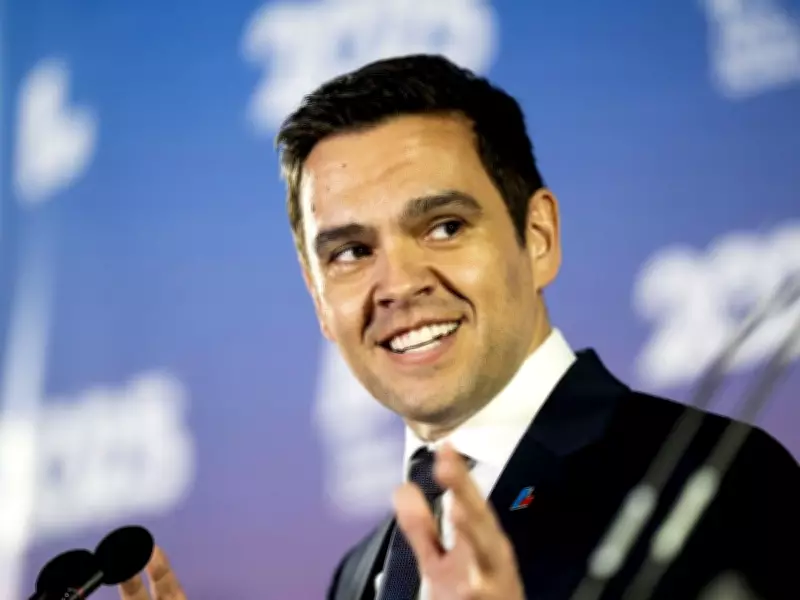
Charles Milliard has officially taken the helm of the Quebec Liberal Party, stepping into a role that comes with significant obstacles and a tight timeline before the next provincial election. His leadership begins at a critical juncture for the party, which has been grappling with ethical controversies and declining public trust.
The Name Recognition Hurdle
One of Milliard's most immediate challenges is his lack of public visibility. A recent Léger poll reveals that 64 percent of Quebecers cannot identify him, making him the least known among current political leaders in the province. This includes even potential successors to François Legault within the Coalition Avenir Québec.
Legault's recent announcement of his departure has further complicated matters, shifting media and public attention away from the Liberals' leadership transition and toward the CAQ's internal dynamics. However, in a political climate characterized by voter fatigue and a desire for change, Milliard's relative anonymity could paradoxically become an asset. Unlike more established figures such as Parti Québécois leader Paul St-Pierre Plamondon or former CAQ ministers, Milliard can position himself as a fresh and untainted alternative.

Rebuilding the Electoral Coalition
Beyond personal recognition, Milliard must address the party's geographic and demographic weaknesses. The Liberals currently hold about 26 percent in voting intentions, but this support is heavily concentrated in the Greater Montreal Area. To form a government, the party needs to secure seats beyond this region, yet its standing among francophone voters remains low at approximately 16 percent.
Milliard is acutely aware of this challenge. In contrast to his predecessor Pablo Rodriguez, who was often seen as a "Montreal Liberal," Milliard is emphasizing his roots in Quebec's regions. Born in Lévis, on Quebec City's south shore, and now residing in the Eastern Townships, he plans to run there in the next election. This move symbolizes a deliberate shift from the party's recent urban-centric leadership, though its effectiveness in altering public perception remains to be tested.
Repairing a Damaged Reputation
Perhaps the most daunting task facing Milliard is repairing the Liberal party's reputation, which has been severely damaged by months of ethical scandals. The so-called "Browniegate" affair has left deep scars on the party's brand, and its repercussions are ongoing.
- A civil lawsuit against MNA Marwah Rizqy by her former chief of staff, Geneviève Hinse, is proceeding in Quebec Superior Court, with new details emerging about internal conflicts.
- Quebec's anticorruption unit, UPAC, continues to examine the matter and may open a formal investigation, which could further harm the Liberals.
- The party's own internal investigation, promised during the crisis, failed to provide clear conclusions this week, leaving many questions unanswered at a time when rebuilding public trust is crucial.
A Tight Timeline Ahead
All these challenges are compounded by a very tight timeline. A general election is scheduled in less than eight months, and this could be shortened if the next CAQ leader decides to call a snap election after the party's spring leadership convention. Milliard will have limited time to make his mark and address the party's issues.
As Martin Luther King Jr. once noted, "The ultimate measure of a man is not where he stands in moments of comfort and convenience, but where he stands at times of challenge and controversy." In the coming months, Milliard will have the opportunity to demonstrate his leadership mettle. While the task may seem overwhelming, recent events in Quebec politics have shown that nothing is impossible, and Milliard's journey will be closely watched by voters and analysts alike.