Quebec Liberal Leader Claims Next CAQ Premier Would Back Sovereignty in Referendum
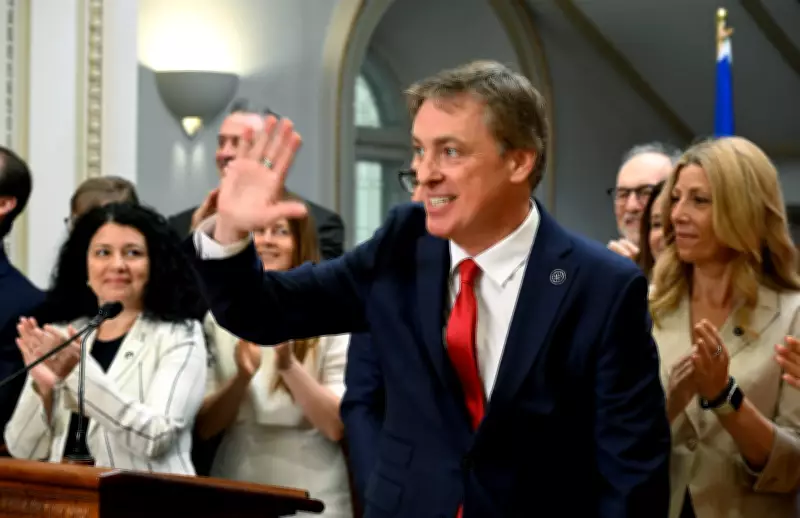
Interim Quebec Liberal Party Leader Marc Tanguay has made a striking political assertion, stating that the next leader of the Coalition Avenir Québec (CAQ) would vote "Yes" in a potential third referendum on Quebec sovereignty. This declaration comes amid ongoing discussions about Quebec's political future and the positions of major provincial parties.
Tanguay's Bold Statement on Sovereignty
Marc Tanguay, who has served as interim leader of the Quebec Liberal Party since 2025, made these comments during recent political discussions. According to Tanguay, his assessment is based on the political trajectory and ideological leanings he perceives within the CAQ, which currently governs Quebec under Premier François Legault.
The CAQ has historically positioned itself as a nationalist but non-separatist party, focusing on Quebec's autonomy within Canada rather than outright independence. However, Tanguay suggests that this stance might evolve under future leadership, particularly as the party continues to emphasize Quebec's distinct identity and interests.

Context of Quebec's Sovereignty Debate
Quebec has held two referendums on sovereignty in 1980 and 1995, with the latter resulting in a narrow defeat for the sovereignty movement. The question of Quebec's political status has remained a significant, though less immediate, issue in provincial politics in recent decades.
The Liberal Party has traditionally been the federalist voice in Quebec politics, advocating for Quebec's place within Canada while recognizing its unique cultural and linguistic character. Tanguay's comments appear designed to highlight what he sees as a potential shift in the CAQ's long-term direction.
Political Reactions and Implications
While the CAQ has not officially responded to Tanguay's specific claim, the statement has reignited discussions about Quebec's constitutional future. Political analysts note that sovereignty remains a sensitive topic in Quebec, with many voters prioritizing economic and social issues over constitutional questions.
The timing of Tanguay's remarks is significant as Quebec prepares for future leadership transitions within major parties. With Premier Legault having led the CAQ since its founding, questions about the party's direction under subsequent leaders are increasingly relevant.
Broader Political Landscape in Quebec
This development occurs within a complex political environment where multiple parties navigate Quebec's unique position within Confederation. Key considerations include:
- The balance between Quebec nationalism and federalism
- Economic relationships with other Canadian provinces
- Cultural preservation and language policies
- Intergovernmental negotiations on various policy areas
Tanguay's assertion represents more than just political rhetoric; it reflects ongoing tensions and uncertainties about Quebec's future political direction. As parties position themselves for upcoming elections and leadership changes, such statements help define the ideological battlegrounds that will shape Quebec politics in coming years.
The debate about sovereignty, while less immediate than in previous decades, continues to influence political discourse in Quebec, with party leaders carefully calibrating their positions to appeal to diverse constituencies within the province.