Former Premier Kenney Condemns UCP Caucus Over Separation Petition Involvement
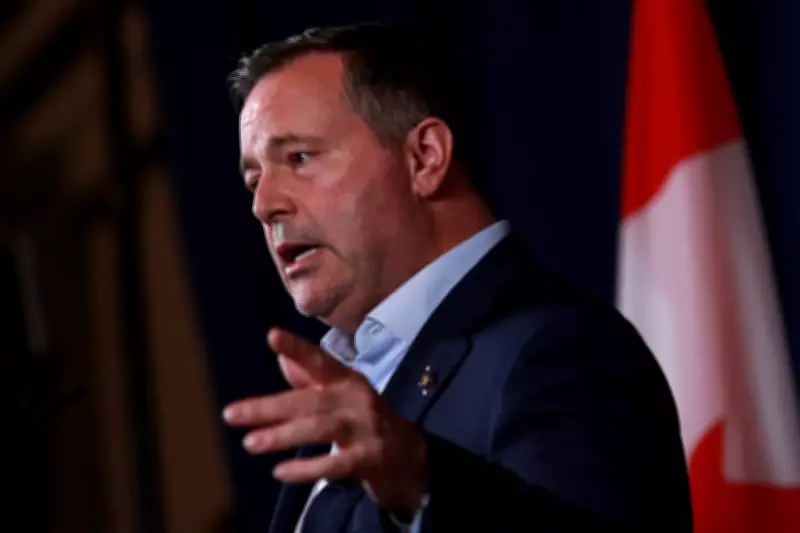
In a striking rebuke of his former political colleagues, former Alberta Premier Jason Kenney has declared that members of the United Conservative Party (UCP) caucus have "no business" signing a petition advocating for Alberta's separation from Canada. This statement comes amid ongoing political tensions within the province and highlights a significant rift within conservative ranks regarding the future of Alberta's place in the federation.
A Clear Message on Provincial Priorities
Kenney, who served as premier from 2019 to 2022, emphasized that elected officials should concentrate on governing effectively rather than engaging in symbolic gestures that could undermine national unity. He argued that the UCP caucus, which holds power in the provincial legislature, has a responsibility to address pressing issues such as healthcare, education, and economic development instead of promoting separatist sentiments.
The former premier's comments reflect a broader debate within Alberta politics, where some factions have long championed greater autonomy or even independence from Canada. However, Kenney's stance underscores a more pragmatic approach, suggesting that separation is not a viable or productive path for the province. He pointed out that such actions could alienate allies and harm Alberta's interests on the national stage.

Context of the Separation Petition
The petition in question has gained traction among certain grassroots movements in Alberta, fueled by grievances over federal policies on energy, equalization payments, and environmental regulations. While it has garnered support from some UCP members, Kenney's criticism signals a divide between the party's leadership and its more radical elements. This internal conflict could have implications for the UCP's cohesion and electoral prospects in future elections.
Kenney's remarks also echo similar sentiments from other prominent figures, such as former Prime Minister Stephen Harper, who recently stated that he did not sign the separation petition. This alignment among conservative veterans suggests a concerted effort to steer the party away from extreme positions and toward a more moderate, governance-focused agenda.
Implications for Alberta's Political Landscape
The controversy over the separation petition highlights the ongoing struggle within Alberta's political sphere to balance regional aspirations with national unity. Kenney's intervention serves as a reminder that while frustration with federal policies is understandable, it should not translate into actions that could destabilize the province's economy and social fabric.
As Alberta continues to navigate complex issues like energy transition and fiscal management, the debate over separation is likely to persist. However, Kenney's firm stance may encourage other UCP members to reconsider their support for the petition and refocus on practical solutions for Albertans. Ultimately, this episode underscores the importance of responsible leadership in times of political polarization.