B.C. Premier David Eby Navigates Indigenous Rights Law Debate, Vows Election Battle if Necessary
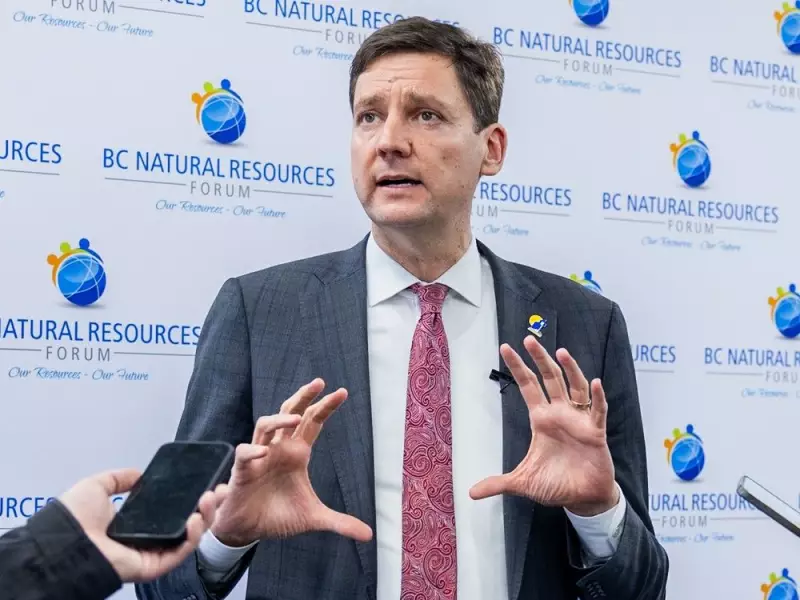
British Columbia Premier David Eby has once again defended his government's approach to Indigenous reconciliation, raising the political stakes by declaring his willingness to fight an election on the issue if necessary. The premier's comments came during a week of intense debate surrounding the province's Declaration on the Rights of Indigenous Peoples Act.
Election Stakes Raised on Indigenous Partnership Question
"The question of whether or not to work with First Nations may indeed be an election issue," Premier Eby told reporters this week. "And if it is, I think it would be important for British Columbians to understand the consequences of terminating conversations with First Nations on these important issues. We need to stand together, including in partnership with First Nations."
The premier emphasized that this partnership approach should not create concerns for private property or business interests. "But we also need to be very clear that this does not mean consequences for your private home, for your private business," Eby continued. "It means opportunities for private business in this province and that's where our government is on this issue, and, if we have to fight an election on it, we will."

Growing Pressure from Multiple Sides
Eby's comments come amid mounting pressure from opposing directions. The B.C. Conservatives have called for outright repeal of the Declaration Act, which commits the province to reconciling laws and policies with the United Nations Declaration on the Rights of Indigenous Peoples.
Simultaneously, approximately 80 Indigenous nations and organizations have urged the government to leave the legislation unchanged. "The Declaration Act was developed collaboratively with Indigenous peoples," they reminded the NDP government. "We call on Premier Eby to uphold the Declaration Act, resist calls to amend it or pursue appeals, and to sit down with Indigenous leadership to continue the work of building certainty, trust, and economic prosperity for everyone in British Columbia."
Searching for Middle Ground in Contentious Debate
The premier expressed confidence in finding a middle ground between Opposition calls for outright repeal and Indigenous warnings against changing any aspect of the legislation. "One of the first lessons of politics is that you need to repeat yourself a number of times before the message gets out," he said, reiterating his intention to introduce amendments to the Act in the coming session of the B.C. legislature.
These proposed amendments aim to clarify the NDP government's original intention for the Act: to serve as a framework for provincial and First Nations governments to work together on reconciling legislation, rather than providing authority for judicial intervention. "Around the Declaration Act, we need to be clear this is work that we're doing government to government — our government to First Nations government — not the courts," Eby emphasized.
Balancing Competing Demands
While effectively rejecting calls to leave the Act completely unchanged, Eby also dismissed the Conservative proposal for outright repeal of what he considers a foundational piece of reconciliation legislation. The premier's approach reflects the complex political landscape surrounding Indigenous rights in British Columbia, where he must navigate between competing demands while maintaining his government's commitment to reconciliation principles.
The coming legislative session promises to bring these tensions to the forefront as amendments are introduced and debated. Eby's willingness to make this an election issue underscores the significance his government places on finding a workable path forward that balances Indigenous rights with broader provincial interests and concerns.