Quebec Minister Christine Fréchette Set to Announce CAQ Leadership Bid
Quebec's political landscape is poised for a significant shift as Christine Fréchette, the province's Economy and Innovation Minister, prepares to officially launch her candidacy for the leadership of the Coalition Avenir Québec (CAQ) this Sunday. The announcement, scheduled for January 25, 2026, comes at a crucial moment for the governing party as it navigates its future direction.
Political Background and Ministerial Experience
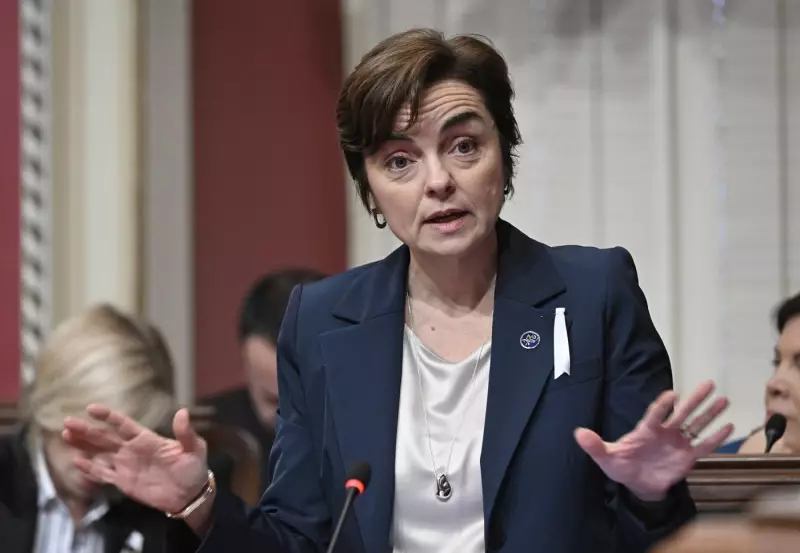
Fellow ministers and political observers have been anticipating Fréchette's entry into the leadership race for several weeks. As the current Economy and Innovation Minister, she has played a pivotal role in shaping Quebec's economic policies and has been a visible presence in the National Assembly, regularly engaging with opposition members during question period sessions at the legislature in Quebec City.
Her ministerial portfolio has provided her with substantial experience in:

- Economic development strategies
- Innovation funding and initiatives
- Intergovernmental relations on economic matters
- Business sector engagement across Quebec
Timing and Political Context
The leadership announcement comes during a period of significant political activity across Canada, with various provincial and federal developments unfolding simultaneously. While Fréchette prepares her leadership bid, other political news includes cabinet discussions on sovereignty and security, international diplomatic developments, and ongoing policy debates at multiple levels of government.
The CAQ leadership race represents more than just a change in party leadership—it signals potential shifts in Quebec's approach to:
- Economic policy and innovation strategy
- Federal-provincial relations
- Social program development
- Environmental and energy initiatives
Broader Political Landscape
Fellow political analysts note that Fréchette's candidacy emerges against a backdrop of diverse political developments across the country. From federal workforce notifications and parliamentary activities to provincial policy reviews and municipal challenges, Canada's political sphere remains dynamic and multifaceted.
As Quebec prepares for this leadership transition, the province continues to address various economic and social priorities while navigating the complex relationship between provincial autonomy and federal collaboration. Fréchette's experience as Economy Minister positions her uniquely to address these interconnected challenges should she secure the CAQ leadership.
The Sunday announcement will undoubtedly attract significant attention from political observers, party members, and Quebec residents alike, as they assess how Fréchette's vision for the CAQ might shape the province's political and economic future in the coming years.