Calgary Mayor-Elect Raises Alarm Over Alberta Budget's Property Tax Revisions
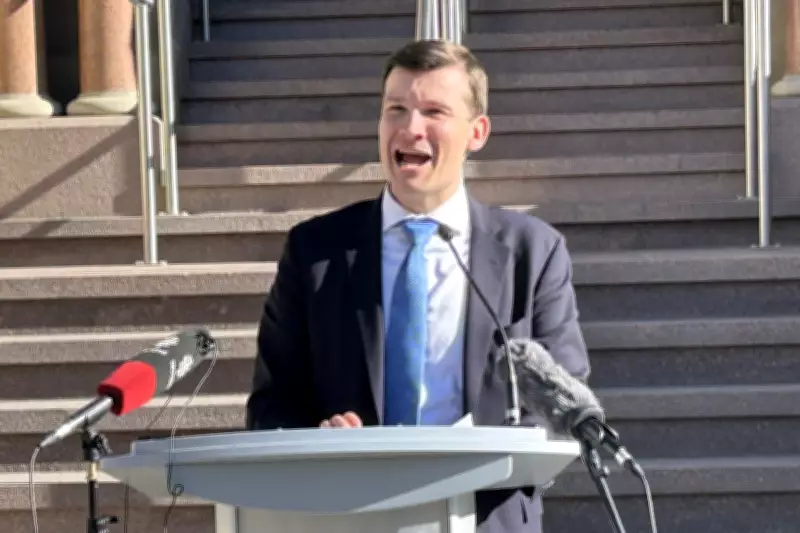
In a recent development, Calgary's newly elected mayor, Jeromy Farkas, has publicly voiced significant concerns regarding the Alberta provincial budget's proposed modifications to local property taxes. Farkas, who narrowly secured his position in the October 2025 election, addressed reporters outside city hall, highlighting potential repercussions for municipal finances and service delivery.
Details of the Budget Changes
The Alberta budget, unveiled earlier this week, includes adjustments that could alter how property taxes are allocated and managed at the local level. While specific details remain under scrutiny, Farkas emphasized that these changes might undermine Calgary's ability to fund essential services such as infrastructure, public safety, and community programs. He warned that shifting tax structures could lead to increased burdens on residents or reduced municipal autonomy, urging provincial officials to reconsider the implications.
Mayor Farkas's Stance and Background
Jeromy Farkas, a prominent figure in Calgary politics, has long advocated for transparent governance and fiscal responsibility. His election victory in 2025 marked a shift in the city's leadership, with a focus on addressing urban challenges like affordability and infrastructure. In his comments, Farkas stressed the importance of collaboration between municipal and provincial governments to ensure that tax policies support, rather than hinder, local priorities. He called for open dialogue to mitigate any negative effects on Calgary's taxpayers and economic stability.

Broader Context and Implications
This issue arises amid ongoing debates over provincial-municipal relations in Alberta, where budget decisions often spark tensions over resource allocation. Property taxes are a critical revenue source for cities, funding everything from road maintenance to social services. Farkas's concerns reflect a wider trend of municipalities grappling with fiscal pressures in a changing economic landscape. Experts note that such tax adjustments could set precedents for other cities in the province, influencing future policy discussions on local governance and financial sustainability.
As the situation unfolds, stakeholders in Calgary and beyond are closely monitoring the provincial government's response. Farkas has pledged to work with council members and community leaders to advocate for fair tax policies, ensuring that Calgary's interests are protected in provincial deliberations.