Calgary Mayor Advocates for Public Vote on Provincial Property Tax Increases
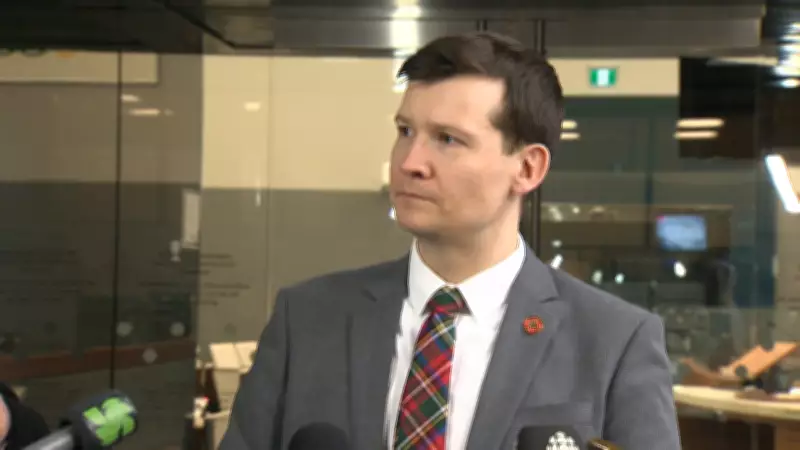
In a significant move that could reshape local governance, Calgary's mayor has proposed holding a plebiscite to assess resident sentiment regarding recent property tax hikes imposed by the provincial government. This suggestion comes amid growing concerns over the financial burden on homeowners and businesses, highlighting tensions between municipal and provincial authorities over fiscal policy.
Background and Rationale for the Plebiscite
The mayor's call for a plebiscite stems from a desire to ensure that taxpayer voices are heard in decisions that directly impact their wallets. Property taxes in Calgary have seen steady increases in recent years, driven by provincial mandates aimed at funding broader public services and infrastructure projects. However, many residents argue that these hikes are disproportionate and lack sufficient local input, leading to calls for more democratic oversight.
By advocating for a plebiscite, the mayor aims to create a formal mechanism for public consultation, potentially influencing future tax policies. This approach aligns with broader trends in municipal politics, where leaders are increasingly seeking to empower communities through direct democracy on key financial matters.

Potential Implications and Reactions
If implemented, the plebiscite could have far-reaching consequences for both Calgary and the province. On one hand, it might lead to adjustments in tax rates or exemptions based on voter feedback, providing relief to strained households. On the other hand, it could set a precedent for other municipalities to challenge provincial tax directives, potentially complicating fiscal planning at higher levels of government.
Reactions to the proposal have been mixed. Supporters praise it as a necessary step toward transparency and accountability, arguing that taxpayers deserve a say in how their money is collected and spent. Critics, however, warn that it could undermine provincial authority and create administrative hurdles, with some questioning the practicality of holding such votes on complex financial issues.
Broader Context in Alberta Politics
This development occurs against a backdrop of ongoing debates over taxation and autonomy in Alberta. The province has historically grappled with balancing local control with centralized governance, particularly in areas like education and healthcare funding. The mayor's plebiscite suggestion adds a new layer to these discussions, emphasizing the role of municipalities in shaping economic policy.
As Calgary moves forward, stakeholders will closely monitor how provincial leaders respond. The outcome could influence not only property tax rates but also the broader relationship between cities and the provincial government, setting the stage for future negotiations on fiscal matters.