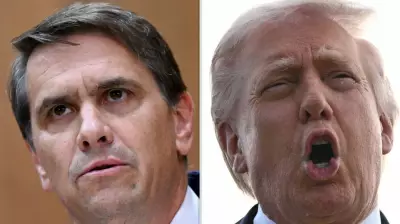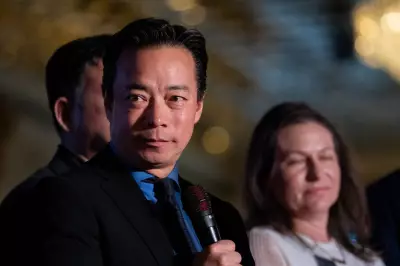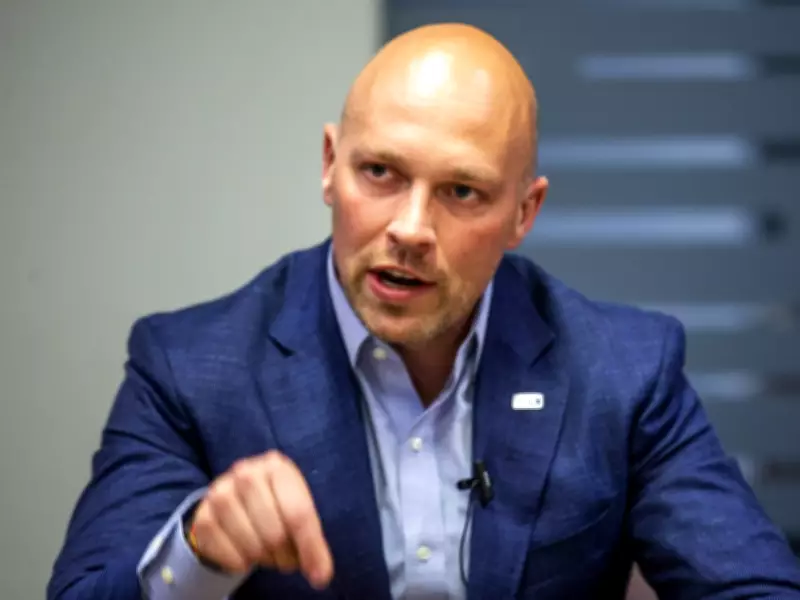
A new poll from Abacus Data has revealed a potentially tight race for the upcoming Toronto mayoral election, with City Councillor Brad Bradford statistically tied with incumbent Mayor Olivia Chow. The survey, conducted between January 22 and 27, 2026, polled 1,001 Toronto residents and found 37% would vote for Chow compared to 34% for Bradford.
Poll Details and Methodology
Among likely voters familiar with both candidates, the numbers narrowed further to 39% for Chow and 38% for Bradford, with 24% remaining undecided. The poll comes after former mayor John Tory announced he would not run in the October election, clearing what Abacus Data CEO David Coletto described as "uncertainty" that had clouded the race.
"With that uncertainty gone, the mayoral race snaps into clearer focus," Coletto said in releasing the numbers. "What looked like a potentially crowded contest now looks increasingly like a head-to-head between Olivia Chow and Brad Bradford. It is a competitive race that Bradford can win."

Geographic Breakdown and Candidate Perceptions
The poll shows distinct geographic patterns in support. Chow performs strongest in the old city of Toronto and East York, while Bradford shows strongest support in Etobicoke. The two candidates are effectively tied in North York and Scarborough, suggesting a city divided along traditional political lines.
Perhaps more revealing are the perception numbers. Only 3% of respondents said they didn't know enough about Olivia Chow to form an impression, with 39% having a positive view and 40% holding negative perceptions. By contrast, 32% have a positive impression of Bradford, with just 16% negative, while 17% say they don't know enough about him and 36% remain neutral.
Strategic Implications for the Campaign
This perception gap creates what political analysts call "growth potential" for Bradford. With higher negative perceptions already established for Chow and more voters unfamiliar with Bradford, the challenger has greater opportunity to define himself positively to undecided voters.
Bradford acknowledged this dynamic in comments to media, stating his campaign would focus on delivering basic city services that he claims have deteriorated under Chow's leadership. "It's time that Torontonians demanded more from City Hall," Bradford said. "It's time we had an administration that can deliver on the basics."
Historical Context and Campaign Connections
It should be noted that Abacus Data previously worked for Bradford's campaign during the last mayoral election that saw Chow elected. Additionally, Bradford and Abacus Data CEO David Coletto are personal friends. However, Coletto emphasized his firm maintains a strong track record of accurate polling and is not currently working for Bradford's campaign.
The poll results arrive as Bradford remains the only declared candidate, with Chow expected to announce her re-election bid soon. Other potential candidates could still enter the race, potentially changing the dynamic from a head-to-head contest to a more crowded field.
Policy Differences and Campaign Themes
The emerging campaign appears to center on competence and service delivery. Bradford has repeatedly emphasized basic municipal services like snow clearing, park maintenance, and recreation programs as central to his platform. This echoes concerns raised by John Tory in his statement declining to run, where he described Toronto's decline and called for "a safe city where regardless of statistics, people actually feel safe."
Chow's campaign will likely emphasize her experience and progressive policies, though the poll suggests she faces significant negative perceptions that could prove challenging to overcome. With the election scheduled for October, both campaigns have approximately seven months to make their case to Toronto voters in what promises to be a closely contested race.