B.C. Premier's Fiscal Management Draws Criticism Ahead of Budget Release
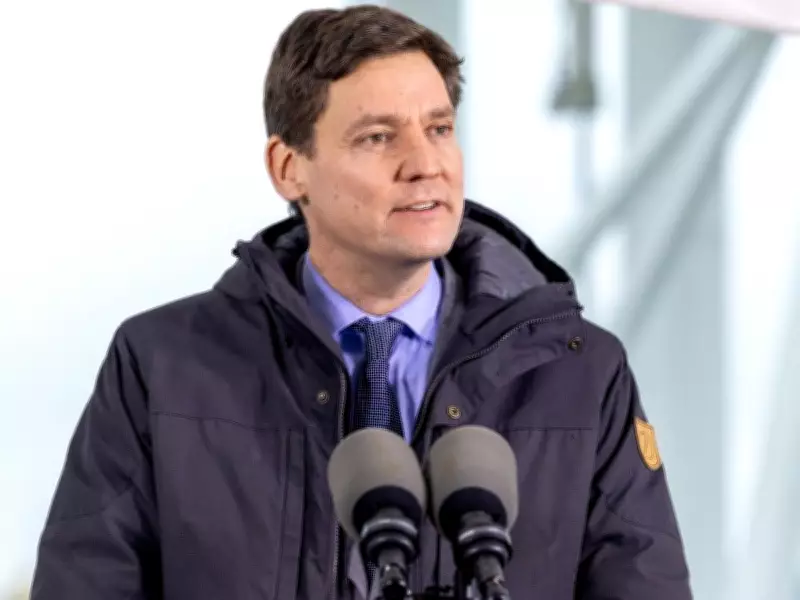
As British Columbia's Finance Minister Brenda Bailey prepares to unveil the provincial budget later this month, Premier David Eby's fiscal legacy faces increasing scrutiny from political observers. The premier inherited a substantial surplus from his predecessor John Horgan, but that financial cushion has largely evaporated under his administration.
From Surplus to Record Deficits
When David Eby assumed leadership of British Columbia, the province enjoyed a healthy surplus approaching $6 billion. However, that financial advantage has been substantially depleted through increased government spending. Under Eby's leadership, provincial expenditures have grown significantly, resulting in mounting deficits, escalating debt levels, and rising interest payments that have reached unprecedented heights.
The premier's approach to fiscal management has transformed what was once a position of financial strength into a challenging budgetary situation that now requires difficult decisions about spending restraint.

Political Popularity and Budget Realities
Finance Minister Bailey recently acknowledged the political challenges ahead, predicting she would become "the least popular person in the province" following the budget's release. When questioned about whether he anticipated similar public disapproval, Premier Eby offered a carefully crafted response that avoided direct confrontation with the question.
"This is a really challenging time for governments around the world, and certainly in B.C. we're no exception," Eby stated. "So it's a challenging budget, no question about it."
The premier pointed to external factors, including potential threats to Canada's free trade agreement with the United States, as justification for maintaining fiscal stability. "We need to be in a stable fiscal situation," Eby emphasized, framing this as a newly recognized priority in his fourth year of leadership.
Promised Spending Reductions and Service Protection
Eby confirmed that the upcoming budget would include spending reductions, though he carefully distinguished between administrative cuts and frontline services. "We will be reducing spending in the next budget," the premier acknowledged, "but the reductions will be focused on administrative costs and bureaucracy."
The premier made specific commitments to protect essential services, stating that British Columbians would "actually see an increased investment in education and health care." These two sectors, along with education ministries, account for approximately two-thirds of all program spending in the province.
Historical Context and Fiscal Accountability
Previous attempts to reduce administrative costs have yielded modest results. Last year's initiative targeting health authorities generated savings of $60 million, an amount that represents less than a single day's expenditure within the provincial health system. Notably, this efficiency drive did not reduce the number of vice-president positions across British Columbia's six health authorities.
Despite these challenges, Premier Eby maintains his commitment to fiscal responsibility. "We have to ensure that we're driving down that deficit," he asserted. "That's a commitment we made to British Columbians year over year."
As the budget announcement approaches, British Columbians await concrete details about how the government plans to balance fiscal restraint with continued investment in essential services during a period of economic uncertainty.