British Columbia's 2026 Budget Unveils Massive Deficit and Tax Hikes
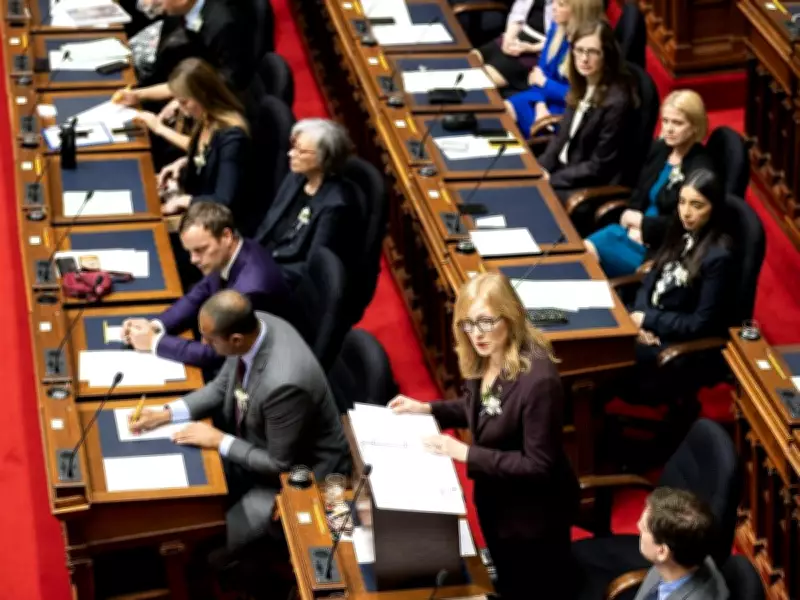
British Columbia's Finance Minister Brenda Bailey delivered a sobering provincial budget on Tuesday, February 17, 2026, revealing a sea of red ink that includes substantial tax increases and significant public sector reductions. The budget projects a staggering $13.3 billion deficit for the coming fiscal year alongside $4.2 billion in new taxes and 15,000 job cuts within the public service.
Deficit Projections and Financial Outlook
The province's financial picture shows dramatic fluctuations across fiscal periods. While the 2025-26 fiscal year deficit is projected at $9.6 billion—down from previous estimates of $10.9 billion at last year's budget and $11.5 billion in the first quarterly update—the coming year paints a much bleaker picture with the $13.3 billion shortfall.
Spending is set to increase by $4 billion while revenue grows by only slightly over $500 million, creating significant fiscal pressure. Although the deficit is expected to decrease in subsequent years to $12.1 billion in 2027-28 and $11.4 billion in 2028-29, these figures still represent some of the highest deficits in British Columbia's history.

Tax Increases and Their Impact
The budget's most substantial revenue measures come from tax increases totaling $4.2 billion over the three-year fiscal plan. Key changes include:
- Increasing the base tax rate from 5.06% to 5.6%
- Approximately 60% of British Columbians will pay an average of $76 more in income tax in 2026
- Those earning over $140,000 annually will pay a maximum of $201 more this year
These measures have drawn sharp criticism from advocates, economists, and various organizations who argue the tax burden falls disproportionately on businesses and working-class British Columbians.
Public Sector Reductions and Minister's Defense
The budget includes 15,000 job cuts to the public service, part of what Minister Bailey describes as necessary measures to reduce the deficit over time while safeguarding core services. In the weeks leading up to the budget announcement, Bailey acknowledged she would likely become "the least-popular person in B.C." once her three-year plan was revealed.
During Tuesday's briefing with journalists, Bailey explained her approach: "I had to balance between those who wanted big cuts and others who wanted greatly increased spending. I ended up doing neither and that, contrary to some commentary, Tuesday's budget isn't one of austerity."
The Finance Minister emphasized her budget represents protective action rather than expansion: "My hope would be that British Columbians would see that we're taking protective action. This isn't about rolling out new shiny programs, now is not the time. What we are doing is protecting the gains that we've made over the last year."
Protected Programs and Services
Despite the cuts and tax increases, Bailey highlighted several areas where previous investments would be maintained:
- Child care programs and initiatives
- Investments in new hospital infrastructure
- Education funding and programs
The minister stressed that while these existing gains would be protected, the budget would not introduce new programs or initiatives during this period of fiscal constraint. The government's approach focuses on stabilizing current services rather than expanding the scope of provincial programs.
The budget's release has sparked significant debate across British Columbia, with critics questioning the timing and distribution of tax increases while supporters argue difficult choices are necessary to address the province's substantial financial challenges. As the fiscal plan unfolds over the coming years, its impact on British Columbia's economy and public services will be closely monitored by residents, businesses, and financial analysts alike.