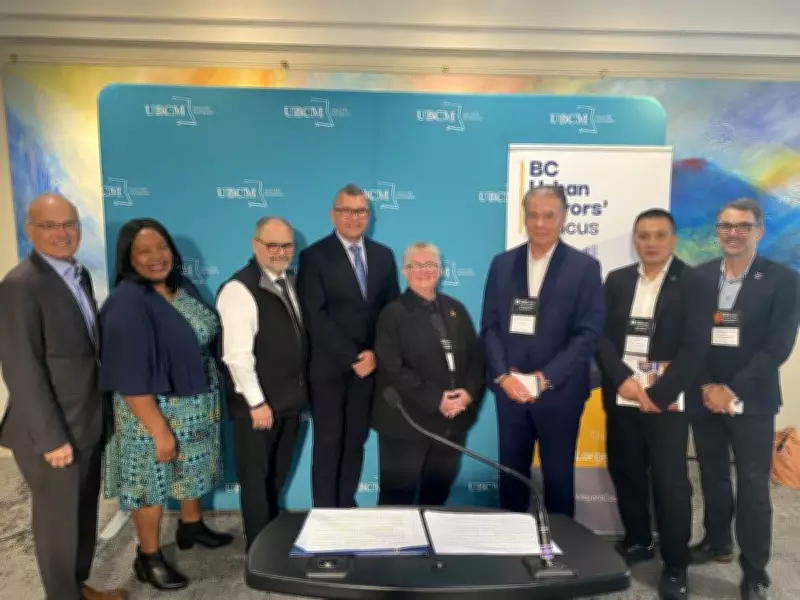
B.C. Budget Overspends and Underdelivers on Critical Urban Needs
Governments at every level face difficult fiscal choices to achieve balance. One year into their mandate, Premier David Eby and Finance Minister Brenda Bailey have presented a budget positioning British Columbia as open for business. However, the true narrative emerges from examining what is included—and more importantly, what is omitted—within the budgetary details.
Post-Pandemic Challenges Compound Financial Pressures
Half a decade of post-pandemic difficulties has accumulated, including global supply chain disruptions, escalating housing demands, and complex healthcare requirements. These challenges, combined with the rising cost of living and economic pressures from international relations, have placed British Columbia in a precarious financial position. Residents are acutely aware of this reality: expenditures are outpacing revenue generation at an unsustainable rate.
Cost-Shifting to Municipal Governments and Taxpayers
When provincial authorities reduce or freeze spending, the financial burdens do not simply disappear. Instead, they transfer to local governments, property taxpayers, and neighborhood-level services. Municipal administrations have been quietly absorbing additional responsibilities for years, spanning housing, healthcare, social services, and public safety. Insufficient early provincial investment forces municipalities into expensive "crisis-response" operational modes.

Last year, the B.C. Urban Mayors’ Caucus publicly presented data demonstrating that local governments are absorbing millions in costs related to policing, fire response, and housing provision. These expenses ultimately transfer to local taxpayers, creating additional financial strain on urban communities.
Provincial Budget Priorities and Omissions
This year's provincial budget emphasizes leveraging British Columbia's economic opportunities, with the government ensuring the province remains a center for investment and business. Key investments are being made in the B.C. prosecution service, children and youth services, and healthcare staffing. However, municipal leaders are awaiting concrete action on pressing issues including:
- Ballooning municipal policing costs
- Adequate shelter and supportive housing provisions
- Sustainable transportation infrastructure funding
Critical Service Cuts Impact Urban Residents
Long-term care, child care, and transportation infrastructure represent key areas where funding has been paused or reduced in the provincial budget. Each of these cuts will significantly affect urban residents who depend on these essential services. Perhaps most concerning is the elimination of the Community Housing Fund, which previously supported communities in building affordable housing.
This program cancellation will impair local governments' ability to address community needs and secure safe, affordable housing for residents. Despite many communities awaiting this crucial funding, the program was paused and reallocated, leaving municipalities without vital resources for housing development.
Historical Context and Growing Deficits
In 2023, the premier inherited a budget surplus, with $1 billion allocated to local governments for community infrastructure needs. While welcomed, this one-time funding proved insufficient to compensate for decades of provincial downloading to municipalities. Currently, the projected deficit continues expanding with minimal strategic planning for its management.
Notably, the terms "local government" or "municipality" did not appear once in the finance minister's budget speech. British Columbians value the relationship and cooperation between their local and provincial governments, making this omission particularly surprising. The provincial government appears to be dismissing the importance of shared work between governance levels, despite its critical role in addressing urban challenges.
As British Columbia navigates complex financial waters, municipal leaders emphasize that sustainable solutions require genuine partnership between provincial and local governments, rather than cost-shifting that ultimately burdens taxpayers and undermines essential urban services.