Political Analyst Assesses B.C. Premier's Election Prospects as Legislature Returns
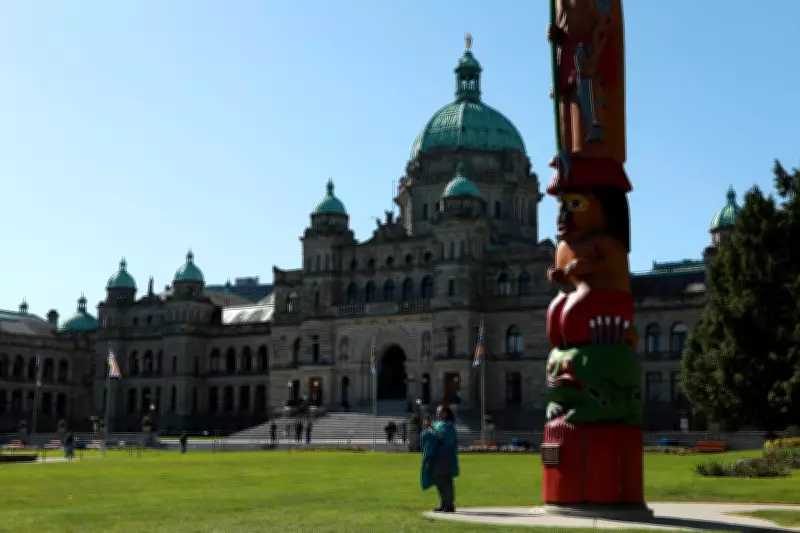
As the British Columbia Legislature resumes its session in Victoria, a prominent political analyst has provided a stark assessment of Premier David Eby's position, stating that he currently lacks the winning conditions necessary to call an early provincial election. This analysis comes at a critical juncture for the governing New Democratic Party, which must navigate a complex political landscape while addressing pressing legislative priorities.
Evaluating the Political Landscape in British Columbia
The analyst, whose insights are based on extensive observation of provincial politics, points to several key factors that diminish the likelihood of an early election call. Current polling data, internal party dynamics, and the broader economic climate are all cited as elements that do not currently favor the premier seeking a renewed mandate ahead of the scheduled election cycle. The legislature's return marks a period of heightened scrutiny, where the government's agenda and its reception by the official opposition will be closely monitored.
"The political calculus for an early election simply isn't there for Premier Eby at this moment," the analyst explained. "While the government may have legislative ambitions, the risk associated with going to the voters prematurely outweighs any potential reward under the present circumstances." This perspective suggests a focus on governing rather than campaigning in the immediate future.

Strategic Considerations for the Governing Party
Several strategic considerations are influencing this assessment:
- Public Sentiment and Polling Stability: The analyst notes that while the NDP maintains a base of support, there is insufficient momentum or overwhelming public demand to justify an early election. Voter attention may be divided among other provincial and federal issues.
- Legislative Agenda and Timelines: The government likely has a full slate of bills and policies it intends to pass during this legislative sitting. Calling an election would disrupt this process and potentially leave key initiatives unfinished.
- Opposition Readiness and Cohesion: The state of the official opposition and other parties is also a factor. An early election might not present the clear advantage the governing party would seek if opponents are perceived as organized and ready.
- Economic and Social Climate: Broader concerns such as housing affordability, healthcare, and economic uncertainty could make voters hesitant to support a snap election, viewing it as politically opportunistic rather than necessary.
This analysis underscores that governing parties typically call early elections when they perceive a strong advantage—a confluence of high popularity, a weak opposition, and a compelling narrative for renewal. According to the analyst, these conditions are not currently met in British Columbia.
Implications for Provincial Politics and Governance
The conclusion that an early election is unlikely has significant implications for the province's political trajectory. It suggests a period of sustained legislative activity where the government will be expected to deliver on its promises and the opposition will seek to hold it accountable. This dynamic sets the stage for a potentially contentious but productive parliamentary session, with debates likely focusing on the government's policy priorities and fiscal management.
For Premier Eby and his cabinet, the focus will now likely shift to consolidating their achievements, managing any emerging crises, and building a stronger case for re-election when the fixed election date approaches. This may involve strategic announcements, community engagements, and efforts to demonstrate effective governance that resonates with a broad spectrum of British Columbians.
As the legislature gets back to work, all eyes will be on how the political narrative unfolds in Victoria. The analyst's assessment provides a framework for understanding the premier's likely strategy: to govern through the term while carefully cultivating the conditions that could eventually justify seeking a new mandate from the people of British Columbia.