Alberta Separatists' Claims of U.S. Support Face Official Scrutiny and Skepticism
In the ongoing debate surrounding Alberta's place within Canada, separatist groups continue to make bold assertions about their connections and potential backing from the United States. However, these claims are meeting with increasing skepticism from official channels and diplomatic representatives who question their substance and veracity.
The Disconnect Between Rhetoric and Reality
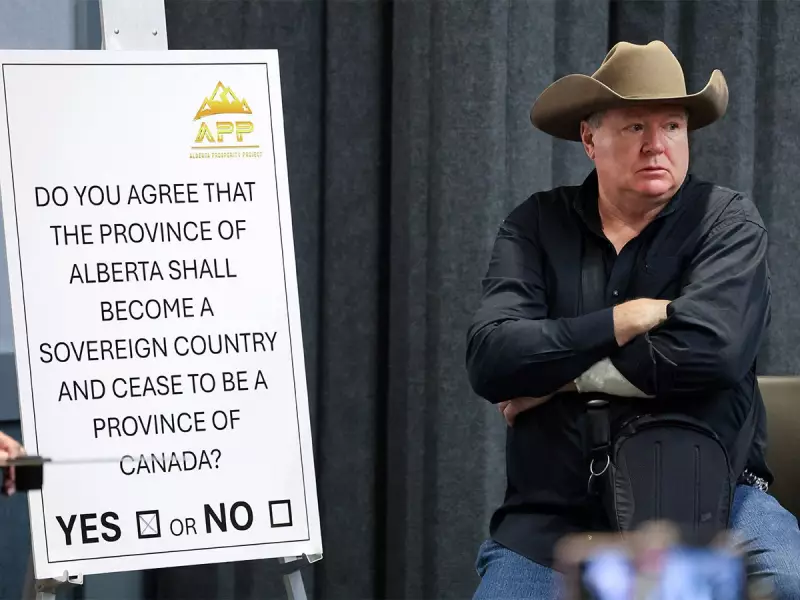
Alberta separatist organizations, particularly the Alberta Prosperity Project led by Jeffrey Rath, have publicly suggested they are engaged in significant discussions with American officials. These claims include meetings with high-level contacts, arrangements for financial support, and even visits to prominent locations like Mar-A-Lago. The rhetoric often suggests momentum toward either formal independence or potential statehood within the United States.
Yet according to Nathan Cooper, Alberta's senior representative to the United States stationed in Washington, D.C., these assertions lack concrete evidence. Cooper states unequivocally that Rath "has had no contact with myself or the U.S. office, and I have no knowledge or insight into any of their alleged meetings that they may or may not have had." This official position creates a stark contrast with the separatists' public pronouncements.

Official Alberta-U.S. Relations Continue Unaffected
While separatist groups make headlines with their aspirations, the actual diplomatic relationship between Alberta and the United States continues along established pathways. Cooper emphasizes that "mostly people here are pleased with the relationship that Alberta and the United States have" and notes the importance of maintaining strong ties, particularly in the energy sector where Alberta resources flow southward.
The official position from Premier Danielle Smith's government remains focused on sovereignty within a united Canada, explicitly rejecting any notion of "sellout to Donald Trump's America." This aligns with Cooper's diplomatic approach, which contrasts with his more combative style during his previous role as Speaker of the Alberta Legislature.
Questionable External Endorsements
Separatist groups have pointed to comments from figures like former U.S. Treasury Secretary Scott Bessent as validation of their cause. Bessent suggested in an interview that Alberta would make a "natural partner for the U.S." and praised Albertans as "very independent people."
However, diplomatic observers categorize such remarks alongside other controversial American statements about Canada, including former President Trump's threat to impose tariffs and his interest in acquiring Greenland. These are viewed more as political rhetoric than substantive policy positions with realistic implementation prospects.
Growing Concerns Among Albertans
Thomas Lukaszuk, founder of the Forever Canadian petition drive, observes that "Albertans are stirred up and worried" about these separatist discussions and their potential implications. This sentiment reflects broader anxieties about Alberta's economic future and political direction within Confederation.
The gap between separatist claims and official reality raises important questions about the nature of political discourse in Alberta and the actual prospects for significant constitutional change. While separatist voices attract attention with bold statements about American support, the diplomatic machinery continues its work maintaining established relationships that benefit both Alberta and Canada as a whole.