Alberta Rural Leaders Confront Premier Smith Over Ambulance Delays and Orphan Wells
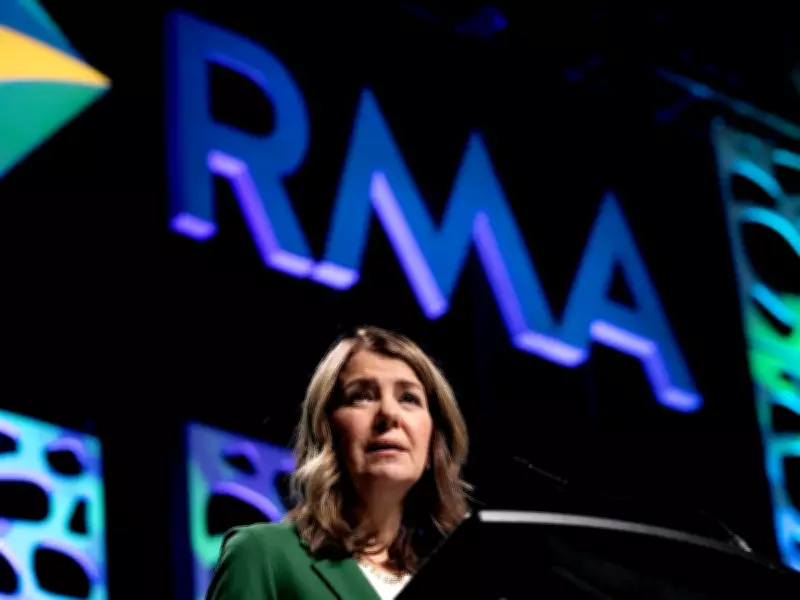
At the Rural Municipalities of Alberta (RMA) spring convention in Edmonton on Tuesday, March 17, 2026, Premier Danielle Smith faced pointed questions from municipal officials regarding two persistent issues plaguing rural communities: slow ambulance response times and ongoing concerns about orphan wells. The event highlighted growing frustrations among local leaders who are demanding immediate action and accountability from the provincial government.
Ambulance Response Times Spark Urgent Concerns
The first question directed at Premier Smith came from an official representing the County of Vermilion River, who shared a distressing personal experience. He recounted how his family had to drive themselves to a nearby hospital after calling for an ambulance during a medical emergency. After waiting for forty-five minutes with no ambulance in sight, they called 911 again to cancel the request, only to discover that no ambulance had even been dispatched to their location. This incident underscores a broader crisis in emergency medical services across rural Alberta, where residents often face dangerously long wait times that could compromise health outcomes.
In response, Premier Smith acknowledged the severity of the issue and pointed to recent government initiatives aimed at overhauling the ambulance system. She explained that Hospital and Surgical Health Services Minister Matt Jones has issued a call for bids to provide ambulance services, signaling a potential shift toward involving more private sector and municipal-supported providers. Smith emphasized that such stories of delayed responses were a key reason behind her government's decision to dismantle Alberta Health Services (AHS), with plans to establish a separate division dedicated to improving the management of EMS resources.

Minister Jones provided further details to reporters, noting that currently, sixty percent of emergency medical services in Alberta are delivered directly or internally, while forty percent are handled by contracted providers. He highlighted that existing contracts are set to expire in September, prompting the province to seek new bids to enhance service delivery. Jones also announced substantial investments aimed at increasing the number of ambulances, renewing the fleet, and hiring additional paramedics to address the critical shortages.
Political Criticism and Calls for Accountability
Alberta NDP public safety and emergency services critic David Shepherd offered a starkly different perspective, criticizing the United Conservative Party (UCP) government's handling of the healthcare system. Shepherd argued that Albertans are currently paying the price for what he described as poor decision-making, with the government's restructuring efforts failing to deliver better services. He specifically noted that residents in rural areas feel abandoned, reporting no improvements in access to EMS despite ongoing reforms. Shepherd called on Premier Smith to take direct accountability for the health system's shortcomings and to implement more effective solutions that prioritize patient safety and timely care.
Orphan Wells Continue to Burden Landowners
Beyond healthcare concerns, the convention also addressed long-standing issues related to orphan wells—abandoned oil and gas sites that pose environmental and financial risks. Dwight Popowich, a landowner from Two Hills, Alberta, shared his frustrating eight-year struggle to have an orphan well on his property officially recognized. While a recent Property Tax Accountability Strategy (PTAS) report released on Monday offers some tools to prevent unpaid property taxes from oil and gas companies, Popowich expressed disappointment that the recommendations do not adequately address the financial losses borne by landowners.

Popowich emphasized that landowners are unfairly shouldering the costs, stating, "This will cost landowners for years to come and is totally unfair. We are supposed to be indemnified against our financial losses for hosting oil and gas production." The PTAS report, which includes seventeen recommendations, aims to curb the issue of companies failing to pay property taxes, but it acknowledges that millions of dollars in arrears may never be recovered. This leaves municipalities and individuals grappling with unresolved liabilities that threaten local economies and environmental health.
Looking Ahead: A Call for Comprehensive Solutions
The discussions at the RMA convention underscore a critical juncture for Alberta's rural communities, as they push for more responsive governance on both healthcare and environmental fronts. With ambulance delays risking lives and orphan wells creating lasting financial burdens, municipal leaders are urging the provincial government to move beyond reports and promises toward tangible, effective actions. As Premier Smith and her cabinet consider these concerns, the outcomes will likely shape the quality of life and economic stability in rural Alberta for years to come, highlighting the need for collaborative and sustainable solutions that address the root causes of these pressing issues.