Alberta Recall Campaigns Encounter Significant Hurdles in Signature Collection
Organizers of recall petitions targeting Alberta MLAs are facing substantial obstacles in their efforts to gather sufficient signatures, with many campaigns on the verge of failure. According to multiple petition organizers interviewed by Postmedia, widespread public confusion about the recall process represents a major barrier to success.
Public Misunderstanding of Recall Mechanics
Several organizers report that potential signatories harbor significant misconceptions about what would happen if a recall campaign succeeded. Many citizens mistakenly believe that removing a United Conservative Party MLA from office would automatically result in the New Democratic Party gaining the seat, potentially shifting the governing majority.
This fundamental misunderstanding reveals a critical gap in public knowledge about Alberta's recall legislation. In reality, a successful recall petition would trigger a constituency-specific vote where residents would decide whether their MLA should resign. Only if a majority votes "yes" would the sitting MLA be required to step down, which would then necessitate a byelection that could result in any party's candidate winning the seat.

Media Coverage and Public Awareness Challenges
Some organizers, including Oana Uritescu who is leading a recall effort against Speaker Ric McIver in Calgary-Hays, point to insufficient media coverage as a primary factor limiting public awareness. They argue that without consistent reporting on recall campaigns, citizens remain uninformed about both the process and the specific issues driving each petition.
However, this perspective overlooks the reality that recall campaigns, while important to their organizers, rarely represent the top priority for most citizens or media outlets. The sheer volume of political developments competing for public attention means that recall efforts must demonstrate exceptional significance to warrant sustained coverage.
The High Threshold for Success
Alberta's recall legislation establishes a demanding standard for success: organizers must collect signatures equal to 60 percent of voters who participated in the previous provincial election within a constituency. This threshold requires not just moderate dissatisfaction but substantial, widespread discontent with an MLA's performance.
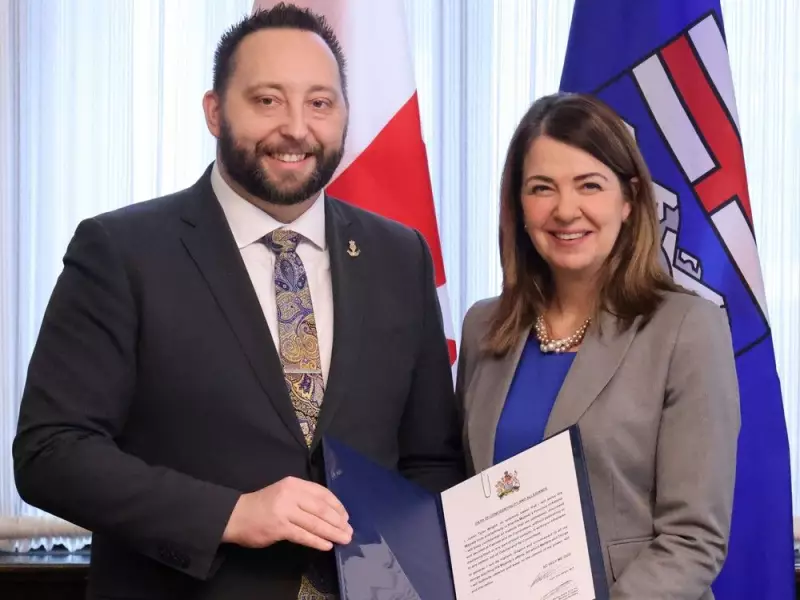
Chief government whip Justin Wright, who himself faces a recall campaign, emphasized that recalls should be reserved for "breaches of public trust, ethical violations, or sustained neglect of local duty, not as a shortcut to trigger a new election over political differences." This perspective suggests that policy disagreements alone may not justify the extraordinary measure of recalling an elected representative.
Fear of Retribution and Practical Concerns
Additional factors complicating signature collection include concerns about personal and professional retaliation. Unlike voting, which occurs via secret ballot, signing a recall petition requires individuals to attach their names and provide identification, creating potential vulnerability for those who publicly oppose their MLA.
Furthermore, the current political climate in Alberta may not contain the level of widespread anger necessary to reach the 60 percent threshold across multiple constituencies. While organizers may feel passionate about their causes, this intensity doesn't necessarily translate to broader public engagement.
The Democratic Value of Recall Mechanisms
Despite the challenges facing current recall efforts, both pro- and anti-recall forces represent legitimate components of Alberta's democratic process. The existence of recall legislation provides citizens with an important accountability mechanism, even if the high threshold makes successful implementation rare.
The ongoing recall campaigns highlight ongoing debates about political representation, citizen engagement, and the appropriate balance between electoral mandates and ongoing accountability. As these efforts continue to unfold, they offer valuable insights into Alberta's political landscape and the practical realities of democratic participation beyond election day.