Alberta Premier Addresses Separatist Sentiment, Rejects U.S. Union Speculation
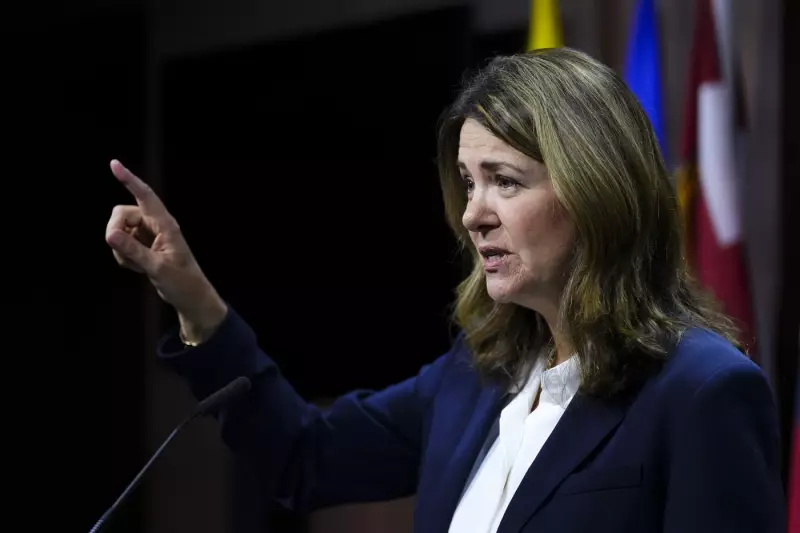
Alberta Premier Danielle Smith has publicly addressed the ongoing discussions surrounding separatist movements within the province, firmly stating that these groups do not aim to join the United States. During recent commentary, Smith emphasized the importance of having a "pressure release valve" for political discontent, suggesting that such sentiments are a natural part of democratic discourse rather than a push for international realignment.
Clarifying the Separatist Position
Premier Smith's remarks come amid heightened political tensions and debates over Alberta's role within the Canadian federation. She explained that while some Albertans express frustration with federal policies, particularly in areas like energy and healthcare, the core desire is for greater provincial autonomy and recognition of Alberta's economic contributions, not secession to become part of the U.S.
This clarification aims to dispel myths and misconceptions that have circulated in political circles and media reports. Smith highlighted that separatist advocacy in Alberta focuses on renegotiating the province's relationship with Ottawa, leveraging tools like the Alberta Sovereignty Act to assert provincial rights, rather than pursuing cross-border integration.

The Role of Political Pressure Valves
In her analysis, Smith compared separatist sentiments to a safety mechanism in a complex system. She argued that allowing such expressions of dissent serves as a critical pressure release valve, preventing more extreme outcomes by addressing grievances through dialogue and policy adjustments. This perspective frames separatism not as a threat to national unity, but as a symptom of broader issues that require attention within the Canadian political framework.
The premier's comments also touch on the historical context of Western alienation, where provinces like Alberta have often felt marginalized in federal decision-making. By acknowledging these feelings, Smith seeks to channel them into constructive reforms, such as enhanced resource revenue sharing and reduced regulatory burdens, rather than letting them fester into divisive movements.
Broader Implications for Canadian Politics
Smith's stance has implications beyond Alberta, influencing interprovincial relations and federal-provincial dynamics. Her denial of U.S. annexation goals reinforces that separatist movements in Canada are primarily inward-looking, focused on domestic autonomy rather than international alliances. This aligns with broader trends in Canadian politics, where regional disparities often spark calls for decentralization without challenging national sovereignty.
Experts note that such discussions are timely, as economic pressures and policy disagreements continue to shape political landscapes across the country. By addressing these issues head-on, Premier Smith aims to foster a more nuanced understanding of separatism, one that balances provincial aspirations with the integrity of the Canadian federation.
In summary, Danielle Smith's remarks provide a clear rebuttal to speculation about Alberta separatists seeking U.S. membership, instead framing their goals within the context of Canadian federalism and the need for adaptive governance to address regional concerns.