Alberta MLA Recall Campaigns Confront Public Confusion and Fear of Backlash
Following the unsuccessful conclusion of the first petition among more than two dozen recall efforts last week, organizers of the remaining campaigns targeting Alberta Members of the Legislative Assembly are identifying significant hurdles. The primary challenges include widespread public misunderstanding of the recall mechanism and genuine fears among residents about potential personal and economic retaliation for their participation.
Signature Shortfall Highlights Systemic Challenges
The initial petition, which sought to recall Calgary-Bow MLA Demetrios Nicolaides, failed to gather the required threshold of over 16,000 signatures. This outcome has cast a spotlight on the 25 other active recall campaigns, the majority of which are directed at governing United Conservative Party MLAs. Inquiries made to all ongoing campaigns revealed that a lack of public awareness about the procedural details of recalls is a pervasive issue.
"It has been exhausting trying to inform people of what actually happens," explained Debbie Harris, the applicant for the campaign aiming to recall Grande Prairie-Wapiti MLA Ron Wiebe. "Many people think if the recall petition is successful, the NDP are automatically going to be elected." This misconception underscores a critical gap in public knowledge regarding the province's recall legislation.

The Grassroots Nature and Public Apprehension
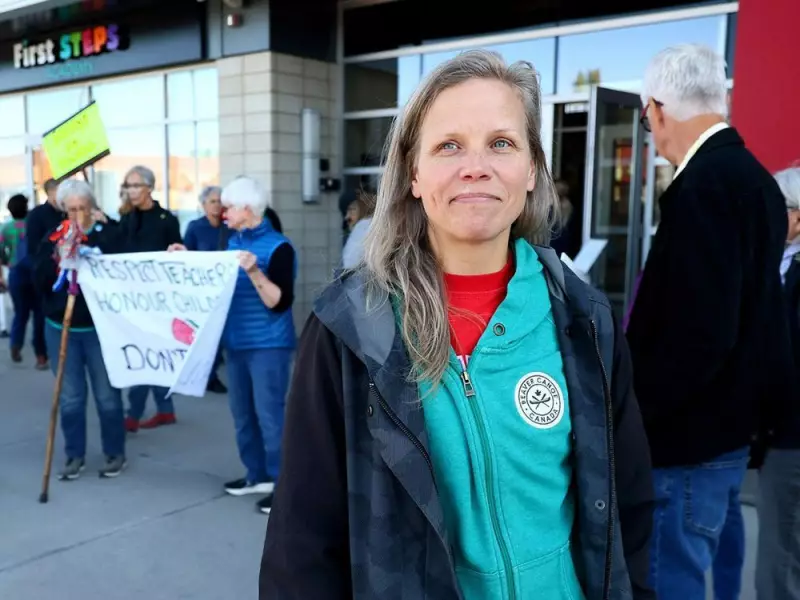
Melissa Craig, who is leading the effort to recall Indigenous Relations Minister Rajan Sawhney, emphasized the grassroots, volunteer-driven nature of these campaigns. "There are no big political parties, funding, signage, and information; all of our efforts are funded by a small group of volunteers," she noted. Craig also highlighted a distinct and intimidating dynamic of the recall process compared to a general election.
"Unlike an official vote, this isn’t a private mark on a ballot, made behind a screen and put into a box without anyone else ever knowing how you chose. And, though this isn’t a vote for a particular party or person, it is absolutely a vote against." This public declaration of dissent, organizers report, is causing many residents to hesitate, weighing their desire for civic engagement against perceived personal and professional risks.
Media Coverage and Official Response
Oana Uritescu, applicant for the recall of Speaker and Calgary-Hays MLA Ric McIver, pointed to inconsistent media attention as a contributing factor to the public's confusion. "This is not a fringe issue, nor is it a minor one. It deserves more than a brief mention every few months," Uritescu stated, arguing that greater coverage would improve understanding.
In response to inquiries, the premier's office provided a statement from Chief Government Whip Justin Wright, who is himself the subject of a recall petition. The statement framed the appropriate use of recall mechanisms. "Recalls should be reserved for breaches of public trust, ethical violations, or sustained neglect of local duty, not as a shortcut to trigger a new election over political differences – and the results of this campaign suggest most Albertans agree." This official stance underscores the political tension surrounding the use of recall petitions in the province.
As these campaigns continue, organizers face the dual task of educating the public on the precise mechanics of a recall vote—which, if successful, leads to a 'yes' or 'no' referendum on the MLA's removal, followed by a by-election—while also alleviating concerns about participation. The coming weeks will test whether these grassroots efforts can overcome the barriers of misinformation and fear to potentially reshape Alberta's political landscape.