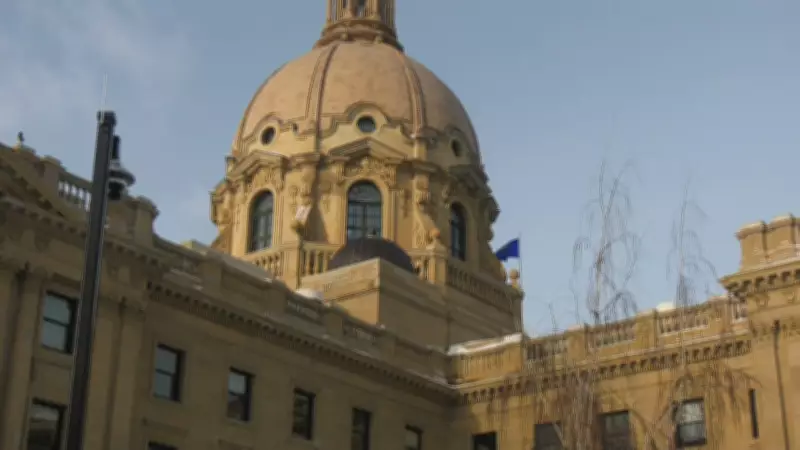
The Alberta Legislature is poised to approve a motion that will initiate a second effort to redraw the province's electoral ridings, a process that has sparked significant political discussion and procedural scrutiny. This move comes after previous attempts faced challenges and delays, highlighting the complexities involved in adjusting electoral boundaries to reflect population changes and ensure fair representation.
Background and Context
Electoral redistricting is a critical aspect of democratic governance, as it determines how voters are grouped into ridings for provincial elections. In Alberta, this process is overseen by the legislature and aims to balance population shifts, geographic considerations, and community interests. The current motion follows an initial redistricting proposal that encountered opposition and logistical issues, prompting lawmakers to revisit the map.
Key Details of the Motion
The motion, set to pass in the Alberta Legislature, calls for a renewed review of electoral boundaries. This includes:

- Public Consultations: Engaging with communities across Alberta to gather input on proposed changes.
- Data Analysis: Utilizing recent census data to assess population growth and demographic trends.
- Timeline: Establishing a schedule for the redistricting process, with the goal of implementing new ridings before the next provincial election.
Proponents argue that this second attempt is necessary to address concerns raised during the first round, such as potential gerrymandering or inadequate representation for rural and urban areas. Critics, however, question the timing and motives behind the motion, suggesting it could be influenced by partisan interests.
Implications for Alberta Politics
Redrawing electoral ridings can have profound effects on political outcomes, as it may alter the competitive landscape in key constituencies. In Alberta, where political dynamics are often shaped by regional divides, this redistricting effort could impact the balance of power between major parties. For instance, adjustments might favor certain regions over others, potentially swaying election results in future votes.
Moreover, the process underscores broader themes in Canadian politics, such as the importance of electoral integrity and the role of legislative bodies in upholding democratic principles. As the motion moves forward, stakeholders from various sectors, including advocacy groups and political analysts, will be closely monitoring developments to ensure transparency and fairness.
Next Steps and Considerations
Once the motion passes, the Alberta Legislature will embark on a detailed redistricting exercise. This involves:
- Forming a Committee: A bipartisan group of legislators will be tasked with overseeing the redrawing process.
- Drafting Proposals: Based on data and public feedback, new riding maps will be developed and presented for debate.
- Legislative Approval: Final maps will require approval from the legislature, likely involving further discussions and potential amendments.
In conclusion, the motion to take a second run at redrawing Alberta's electoral ridings represents a pivotal moment in the province's political landscape. By addressing past shortcomings and engaging in a thorough review, lawmakers aim to create a more equitable and representative electoral system. However, the success of this endeavor will depend on collaborative efforts and a commitment to democratic values, as Alberta navigates the complexities of redistricting in a rapidly changing society.