VICTORIA — The New Democrats this week added repeal of DRIPA to the list of topics they have effectively banned from the order paper at the B.C. legislature, escalating a contentious practice that critics say stifles democratic debate.
Opposition Bill Blocked Amid Accusations
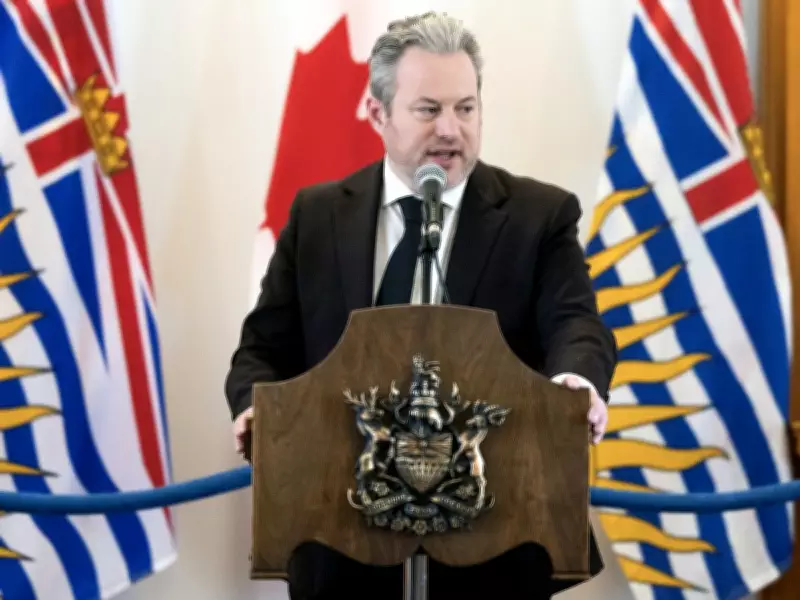
Opposition Leader Trevor Halford attempted to introduce a bill to repeal the Declaration on the Rights of Indigenous Peoples Act (DRIPA), the controversial legislation that made all B.C. laws subject to the United Nations Declaration on the Rights of Indigenous Peoples. However, the New Democrats blocked the bill at first reading, accusing Halford of spreading misinformation simply for quoting Premier David Eby's own statements.
Past governments of every political stripe would routinely allow first reading for Opposition bills, ensuring they were added to the order paper and printed. Though such bills seldom progressed further, they put the Opposition agenda on display and provided a glimpse of what might happen with a change of government.

Premier's Reversal Sparks Confusion
Under Premier David Eby, the New Democrats have been squelching a growing number of Opposition bills at first reading for offences against gender identity and other human rights issues. This week's action took the practice to another level. The proposed DRIPA Repeal Act addressed a widely held and legitimate concern among British Columbians.
“When DRIPA was passed in 2019, British Columbians were given a series of promises,” said Halford in his introduction. “We were told it would not cast doubt on private property. It has. We were told it would not create a veto over development. It has. We were told it would never be used to strike down laws passed by this House. It most definitely has, including the Mineral Tenure Act, throwing an entire sector into chaos and putting thousands of jobs at risk.”
“The premier has said that this presents significant legal risk,” said Halford, accurately quoting what Eby said as recently as last week. “The premier said it must be fixed as quickly as possible. He called the amendments that he was going to put forward urgent. He called them non-negotiable. He told this province that 20 court cases have already been amended and that every one of those cases puts other B.C. laws at risk.”
“Those are his words, not mine. He has changed his position again and again — amend it, suspend it, delay it,” the Opposition leader continued. “We need to protect the legal liability that this premier and this attorney general have clearly outlined, and I believe that this bill will do that.”
Eby's Abrupt Policy Shift
Halford’s legislative fix — repeal — was not all that far removed from what Eby had been touting for most of the year. He vowed to amend or suspend key provisions in DRIPA. He held those positions as recently as midday Sunday of this week. Then, in his latest neck-snapping reversal of position, Eby abandoned those proposals Sunday afternoon in the face of a threat of “collective resistance” from Indigenous leaders opposed to changing even one comma of DRIPA.
The incident underscores a growing tension in B.C. politics, where the government's shifting stance on DRIPA has left many uncertain about the future of the legislation and its impact on resource development, property rights, and Indigenous relations.