Female police officers in British Columbia are taking legal action against their employer, alleging systemic gender discrimination. The women have filed a lawsuit, arguing that the labour arbitration process is inadequate to address the scope of the alleged injustices. The case, which has drawn significant attention, highlights ongoing concerns about workplace equality within law enforcement.
Background of the Case
The officers claim that they have faced unequal treatment in assignments, promotions, and disciplinary actions compared to their male counterparts. They assert that the collective bargaining framework fails to provide a fair and effective remedy for such widespread discrimination. Instead, they are seeking recourse through the courts, which they believe can offer more comprehensive relief.
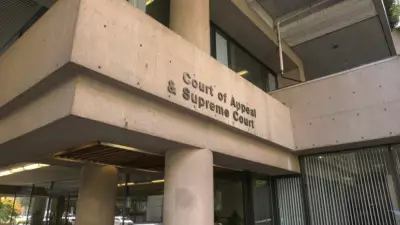
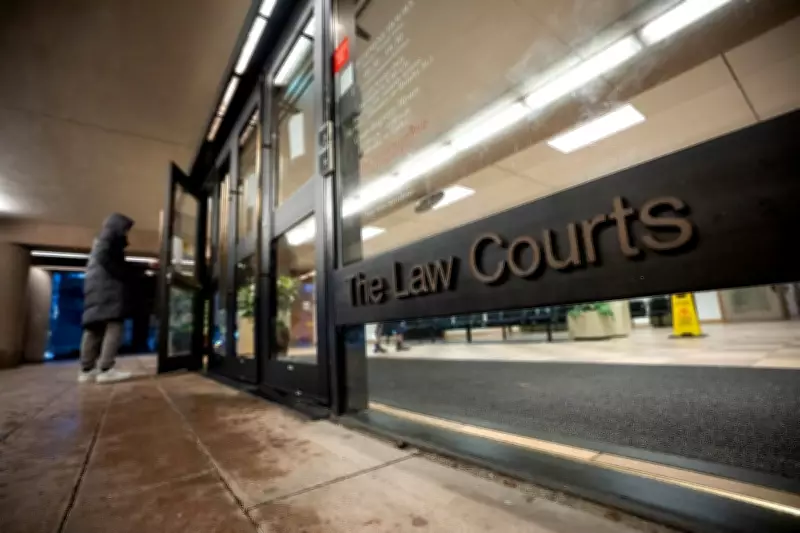
The lawsuit was filed in the B.C. Supreme Court, with the plaintiffs seeking damages and policy changes. The allegations include a pattern of biased decision-making that has hindered their career progression and created a hostile work environment.

Legal Arguments
The officers' legal team argues that labour arbitration is not designed to handle complex human rights claims. They contend that the arbitration process lacks the authority to impose systemic remedies, such as changes to hiring practices or workplace culture. By contrast, a court can issue binding orders and award damages for pain and suffering.
The defendants, including the police department and the provincial government, have yet to respond formally. However, legal experts suggest that the case could set a precedent for how discrimination claims are handled in unionized workplaces.
Broader Implications
This lawsuit is part of a larger conversation about gender equity in policing. Across Canada, women in law enforcement have reported similar issues, leading to calls for reform. The outcome of this case could influence policies not only in B.C. but nationwide.
Supporters of the plaintiffs emphasize that the fight for equality extends beyond individual grievances. They argue that systemic change is necessary to ensure that all officers, regardless of gender, can serve without fear of bias.
The court is expected to hear the case later this year. Meanwhile, the officers continue their duties, hoping that their legal action will pave the way for a more inclusive and fair workplace.