Winnipeg Committee Supports Initiative to Lower Residential Speed Limits
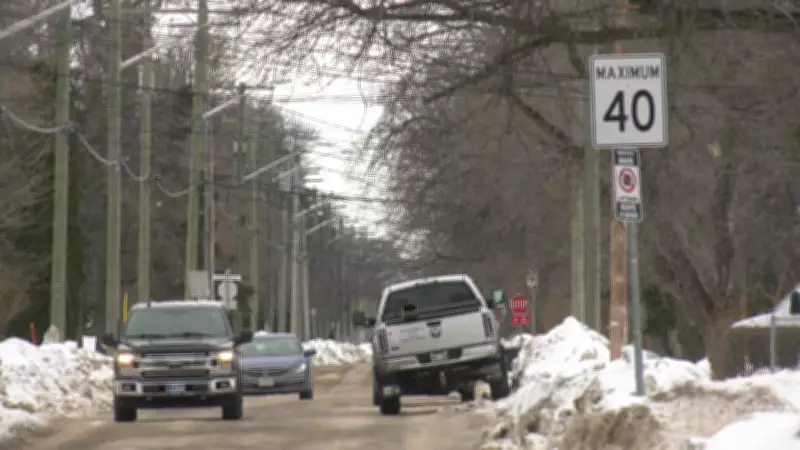
A committee in Winnipeg has officially endorsed a proposal aimed at reducing speed limits on residential streets across the city. This move is designed to improve safety for pedestrians and cyclists, addressing growing concerns over traffic-related incidents in local neighborhoods.
Enhancing Safety Through Reduced Speeds
The proposal, which received backing from the committee, seeks to lower the maximum allowable speed on many residential roads. Advocates argue that slower speeds can significantly decrease the severity of accidents and provide a safer environment for all road users, particularly children and elderly residents.
Key motivations behind this initiative include data showing that lower speed limits correlate with fewer traffic fatalities and injuries. By implementing these changes, the city hopes to foster a more community-friendly atmosphere where residents can feel secure while walking or biking near their homes.

Community and Expert Input
During discussions, committee members heard from various stakeholders, including traffic safety experts and local residents. Many expressed support for the measure, citing instances where high speeds have led to dangerous situations in residential areas.
Public feedback has highlighted a strong desire for enhanced safety measures, with some residents sharing personal experiences of near-misses or accidents. The committee's decision reflects a responsive approach to these community concerns, prioritizing well-being over convenience for drivers.
Next Steps and Implementation
Following the committee's endorsement, the proposal will proceed to the full city council for further review and a final vote. If approved, the new speed limits could be rolled out in phases, with signage updates and public awareness campaigns to inform drivers of the changes.
Potential challenges include ensuring compliance and addressing any opposition from motorists who may prefer higher speeds. However, proponents emphasize that the long-term benefits of improved safety outweigh these hurdles, aligning with broader urban planning goals for sustainable and livable cities.
This initiative is part of a larger trend in Canadian municipalities exploring ways to enhance road safety through regulatory adjustments, demonstrating Winnipeg's commitment to proactive public health measures.