Windsor Mayor Issues Fiscal Warning After Zero-Budget Approval for 2026
Windsor Mayor Drew Dilkens has delivered a stark message following the city's approval of a zero-budget for 2026, emphasizing that this approach cannot be repeated indefinitely. The mayor's comments come as municipalities across Ontario grapple with financial constraints and rising operational costs.
A Temporary Measure, Not a Long-Term Solution
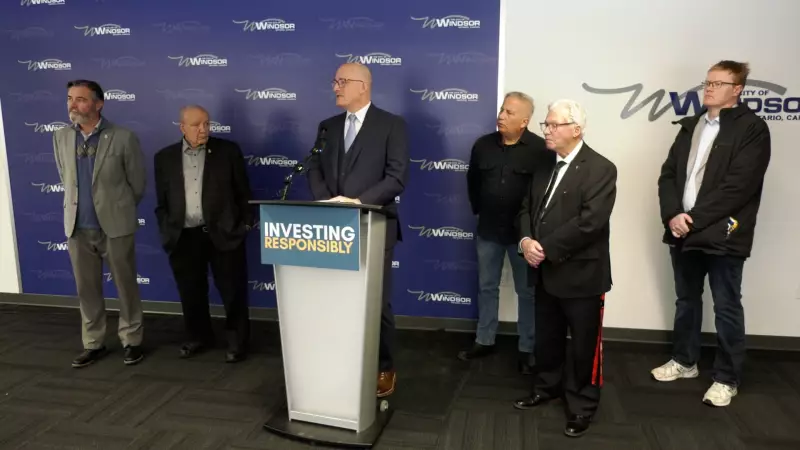
Speaking at a budget announcement in Windsor, Ontario, on January 27, 2026, Mayor Dilkens clarified that the zero-budget approval was a necessary but unsustainable fiscal maneuver. "This is a one-time strategy to address immediate pressures," Dilkens stated, "but we cannot rely on this method year after year." The zero-budget approach, which involves maintaining existing spending levels without increases, has been implemented to avoid tax hikes while managing essential services.
The mayor highlighted several factors contributing to Windsor's financial tightrope:

- Increasing demands on public infrastructure and healthcare services
- Provincial funding limitations and policy changes
- Economic uncertainties affecting local revenue streams
Broader Context of Municipal Challenges in Ontario
Windsor's situation reflects a wider trend across Ontario, where cities face similar budgetary pressures. Recent reports have warned of longer wait times and overcrowded hospitals due to government budget constraints, underscoring the interconnected nature of municipal and provincial finances. In other parts of the province, issues such as real estate selloffs in northern Ontario and traffic management around business parks further illustrate the diverse challenges municipalities must navigate.
Mayor Dilkens pointed to the need for collaborative solutions, stating, "We must work with provincial partners to develop sustainable funding models that support growth and stability." This call for cooperation echoes concerns raised in other regions, such as Saskatchewan, where doctors face significant administrative burdens, and Waterloo, where water capacity problems require council attention.
Looking Ahead: Strategic Planning for Fiscal Health
As Windsor moves forward, the mayor emphasized the importance of strategic planning to ensure long-term fiscal health. "Our goal is to balance responsible budgeting with the needs of our community," Dilkens explained. This includes exploring innovative revenue sources, optimizing service delivery, and engaging residents in financial discussions.
The zero-budget approval for 2026 serves as a stopgap measure, but Mayor Dilkens' warning signals a critical juncture for Windsor and similar municipalities. Without sustainable strategies, cities risk compromising essential services and infrastructure, potentially impacting quality of life for residents. The coming years will likely see increased focus on fiscal policy reforms and intergovernmental cooperation to address these pressing issues.