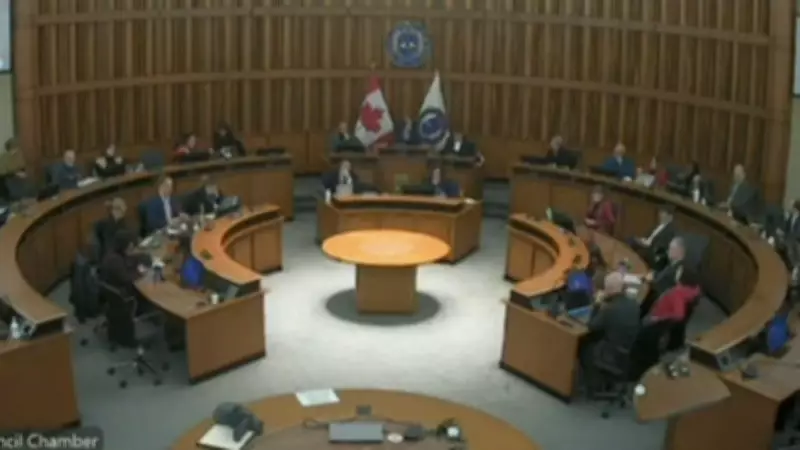
Waterloo Council's Budget Vote Validated Despite Procedural Breach
A significant procedural oversight by the Region of Waterloo council has been officially acknowledged, yet the controversial budget vote from a December 2025 meeting will remain in effect. This decision underscores ongoing challenges in municipal governance and adherence to established protocols.
Details of the Procedural Violation
The council failed to follow proper procedural rules during a critical budget session held on December 16, 2025. While the specific nature of the violation has not been fully disclosed, it involved deviations from standard meeting protocols that govern how motions are presented, debated, and voted upon. Such rules are designed to ensure transparency, fairness, and accountability in local government operations.
Despite this breach, authorities have determined that the outcome of the vote will not be overturned. This ruling emphasizes a pragmatic approach, focusing on the substantive results rather than the procedural missteps, though it raises questions about the enforcement of governance standards.

Implications for Municipal Governance
This incident highlights broader issues within municipal councils across Canada, where procedural lapses can sometimes occur amid complex decision-making processes. Experts note that while rules are essential for orderly conduct, their strict application must be balanced against the need for efficient governance.
The Region of Waterloo council's situation serves as a reminder for other municipalities to review and reinforce their procedural guidelines. Ensuring that all members are well-versed in these rules can prevent similar occurrences and maintain public trust in local institutions.
Context and Community Reaction
The budget meeting in question was part of ongoing efforts to address regional financial planning, a topic of considerable importance to Waterloo residents. The decision to let the vote stand, despite the procedural error, may spark discussions about accountability and the robustness of local democratic processes.
Community stakeholders are likely to monitor future council meetings more closely, advocating for greater adherence to procedural norms to safeguard the integrity of public decision-making.