The Challenge of Participating in Vancouver's Municipal Elections
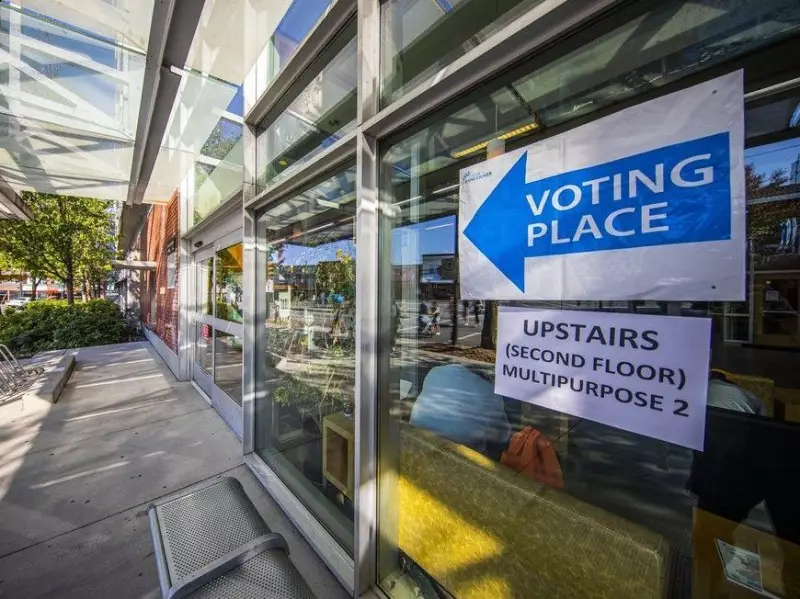
Vancouver's municipal elections present a significant challenge for residents attempting to navigate the complex political landscape. With voter turnout at just 36 percent in the 2022 election, this low participation rate should not be interpreted as apathy but rather as an indication of systemic issues within the electoral process. In a city where residents care deeply about housing affordability, climate action, and public safety, the current election structure creates unnecessary barriers to participation.
An Overwhelming Ballot Structure
Vancouver voters face an exceptionally demanding ballot during municipal elections. Residents must select a mayor, ten councillors, seven park board commissioners, and nine school trustees all in a single election. The 2022 election featured more than 130 candidates competing for these various civic offices. This sheer volume creates what experts call decision fatigue, where voters become overwhelmed by the number of choices and either default to familiar names, make guesses based on limited information, or skip entire sections of the ballot.
For residents working multiple jobs or managing busy schedules, the research required to make informed decisions becomes nearly impossible. The current system assumes voters have ample time, energy, and political literacy, an assumption that doesn't reflect the reality for many Vancouverites trying to balance work, family responsibilities, and daily life demands.

Confusing Party Branding and Platforms
The complexity extends beyond ballot length to include confusing party branding that offers little clarity to voters. Parties with names like ABC, OneCity, Vote Vancouver, and the Vancouver Liberals provide minimal indication of their political orientation or policy priorities. Without deep engagement in municipal politics, residents struggle to distinguish progressive from conservative platforms or understand how these parties differ from one another.
Platform information remains scattered across various sources including websites, news releases, and social media posts, requiring significant research effort to compile a comprehensive understanding of candidate positions. Furthermore, many important political decisions occur outside public view, with party slates often assembled privately rather than through contested nomination battles that would allow voters to witness debates about policy differences.
The Impact on Democratic Participation
This electoral complexity has tangible consequences for democratic participation in Vancouver. When elections demand hours of unpaid research and deep political familiarity, they effectively exclude residents who are already stretched thin by work and life responsibilities. The system that should empower voters instead filters participation, favoring those with more time and resources to navigate the political landscape.
The result is an election process that fails to reflect the diversity of Vancouver's population and their concerns. As the city continues to grapple with pressing issues like housing affordability and climate change, ensuring accessible municipal elections becomes increasingly important for representative governance and effective policy solutions.