Toronto's World Cup Financial Strategy Draws Sharp Criticism
In a development that highlights ongoing tensions in municipal governance, Toronto's preparations for hosting six FIFA World Cup matches this summer have sparked controversy over financial management and equity targets. City officials recently revealed that only $685,000 has been allocated to contracts for businesses owned by Black and Indigenous Torontonians, falling dramatically short of the $20 million goal established for such expenditures.
Procurement Policies Under Microscope
The city's Social Procurement Policy mandates specific requirements for contracts valued under $133,800. According to staff reports, these solicitations must include quotations from at least one Indigenous, Black or Diverse Supplier or Social Enterprise where feasible. Furthermore, when three or more such suppliers are identified, these opportunities are set aside exclusively for their participation.
"If the second lowest quote meeting specifications is within 10 percent of the lowest quote and the supplier qualifies as an Indigenous, Black or Diverse Supplier or Social Enterprise, the award is made to that qualified supplier," city staff noted in their official documentation. Despite these mechanisms designed to promote equity in contracting, implementation has yielded minimal results to date.

Political Response and Additional Expenditures
Deputy Mayor Ausma Malik remains optimistic about meeting equity spending targets before the tournament begins. "I'm confident the city can still spend a good chunk of that $20 million between now and June 12," Malik told media outlets, referencing the date when Canada will face international competition at BMO Field.
Beyond equity spending concerns, Toronto's World Cup budget includes several notable allocations that have drawn scrutiny. These include $100,000 for an advanced sun safety program providing free sunscreen and shade, $265,000 to activate INFOTOGO mobile tourism information services, and $200,000 for a reusable cup and food ware program aimed at creating "a more sustainable fan experience."
Broader Financial Context and Comparisons
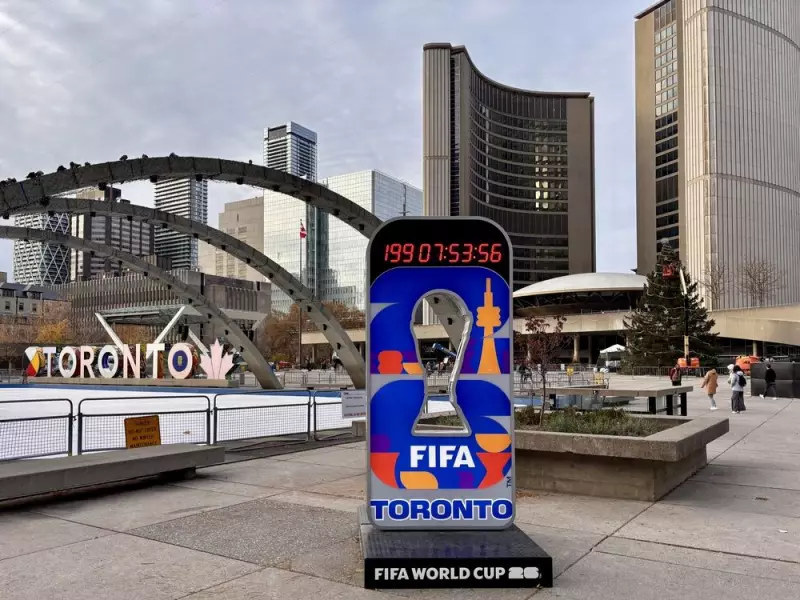
The total projected cost for Toronto's World Cup hosting stands at approximately $380 million for just six soccer matches. Critics argue that host cities typically bear nearly all expenses while receiving minimal revenue from FIFA events. This financial dynamic has prompted several North American cities, including Chicago, Minneapolis and Montreal, to decline participation in the 2026 tournament after reviewing contractual obligations.
Toronto City Council has characterized various expenditures as "legacy projects" intended to provide lasting community benefits. However, the significant gap between equity spending targets and actual allocations, combined with the overall budget scale, continues to fuel public debate about municipal priorities and fiscal responsibility during major international events.