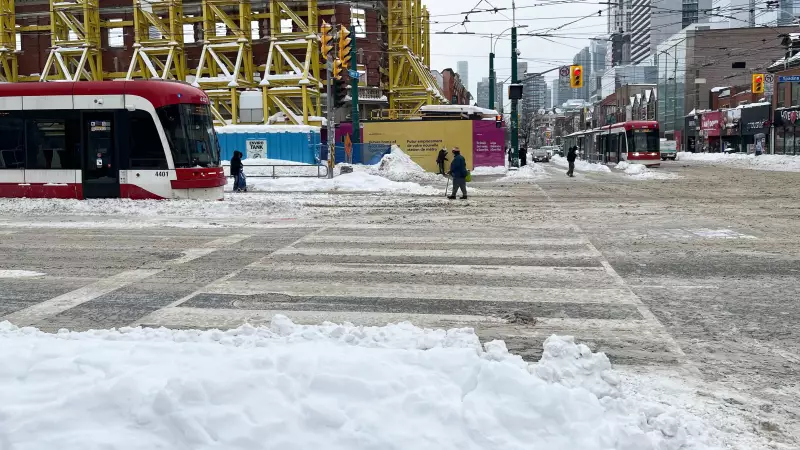
Toronto Grapples with Persistent Sidewalk Snow Days After Major Winter Storm
Residents of Canada's largest city continue to navigate treacherous and impassable pedestrian pathways, as a significant snow clearing backlog persists days after a major winter storm swept through Toronto. City officials have openly acknowledged a concerning gap in their winter maintenance performance, leaving many sidewalks buried under piles of snow and ice.
'A Clear Gap in Performance' Acknowledged by City
The admission from municipal authorities highlights systemic challenges in managing snow removal across Toronto's extensive urban landscape. "Clearly, there's a gap in our performance," a city representative stated, pointing to the ongoing difficulties in restoring safe pedestrian access. This situation has raised questions about resource allocation, response timelines, and the overall effectiveness of the city's winter operations plan.
Impact on Pedestrian Safety and Mobility
The uncleared sidewalks pose a significant hazard, particularly for vulnerable populations including seniors, individuals with disabilities, and parents with strollers. Key pedestrian crosswalks and downtown pathways remain obstructed, forcing people to walk on plowed roads and creating dangerous interactions with vehicular traffic. The extended cleanup period underscores the immense logistical challenge of servicing a metropolis of Toronto's size following a heavy snowfall event.

Broader Context of Municipal Winter Management
The struggle in Toronto reflects a common seasonal challenge for Canadian cities but amplifies concerns about preparedness and execution. Effective snow clearing is a critical municipal service that directly impacts public safety, economic activity, and quality of life during the winter months. The delayed response has sparked community frustration and calls for a review of current snow removal contracts, staffing levels, and equipment deployment strategies.
As the city works to address the backlog, residents are urged to exercise caution. The situation serves as a stark reminder of the operational demands placed on Canadian urban centers during severe winter weather and the continuous need for evaluation and improvement in public service delivery.