Toronto Women's Shelter Faces Years of Delays and Escalating Costs in Controversial Kielburger Deal
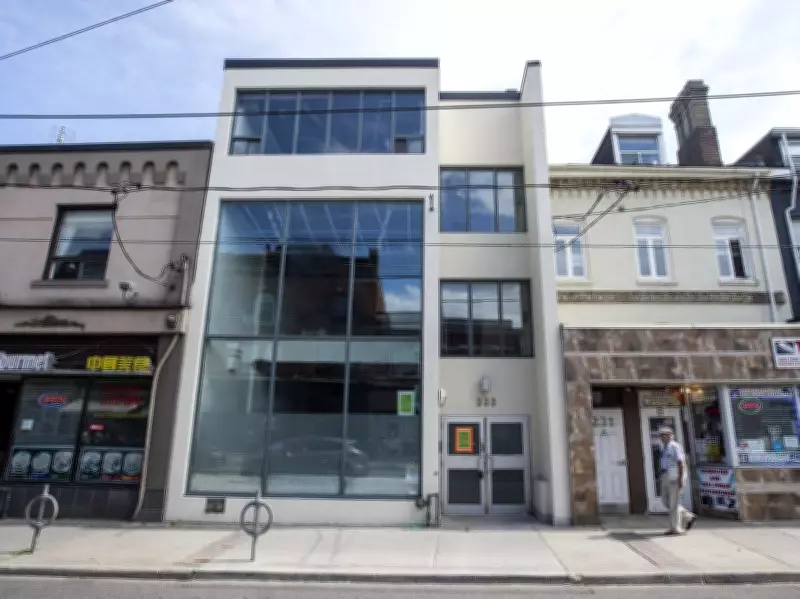
A controversial agreement between the City of Toronto and the Kielburger family to lease a building for a women's shelter in Cabbagetown has resulted in millions of dollars spent, yet the facility remains unopened, with no clear timeline for providing services to those in need. The building at 233 Carlton Street, originally the first headquarters for Free the Children and WE Charity, has been under city control since January 1, 2020, but after over six years and significant financial outlays, it is not expected to open until the end of this year.
Financial Strain and Lack of Progress
Despite allocating $11 million for renovations, with additional funds required, and paying $2.2 million in rent to the Kielburgers, the shelter has failed to materialize. This delay means that, by the time it potentially opens, seven years of a ten-year lease will have passed, with an optional five-year extension available, all without offering any social services to taxpayers who funded the project. Unpaid renovation bills and further anticipated costs over the next ten months add to the financial burden, raising concerns about fiscal management and accountability.
Community Oversight Exposes Incompetence
The details of this mismanagement came to light through a freedom of information request filed by Andrew Haisley of the Winchester Park Residents Association, coupled with reporting by Andre Bermon, publisher of The Bridge community newspaper. Their efforts revealed that the city's process began in 2018 with the goal of replacing a women's drop-in centre at 67 Adelaide Street East, which provided essential services like meals, showers, and support groups. After reviewing eleven properties through Lennard Commercial Realty Brokerage, the city selected 233 Carlton Street, a decision that has since sparked controversy.

Lease Terms and Political Scrutiny
The property is owned by Fred and Theresa Kielburger, parents of WE Charity founders Marc and Craig Kielburger. During the WE Charity scandal in 2020, then-councillors Kristyn Wong-Tam and Mike Layton called for an investigation into communications between WE-related organizations and city officials that might have influenced the site selection and financial terms. A city report from September 2020 claimed that limited negotiations with Marc Kielburger did not impact decision-making, but the lease terms have raised eyebrows.
The agreement requires the city to pay monthly rent starting at $27,633.67 in 2020, increasing to $34,499.57 by 2029, with the city responsible for all leasehold improvements. These improvements, including a new elevator, kitchen, showers, programming areas, and a rooftop patio, were estimated to cost $3.7 million initially but have skyrocketed to over $13.5 million as of October 2025, with $11 million already paid.
Cost Breakdown and Project Delays
Renovation expenses include:
- $9,349,980 in construction costs
- $1,522,607 for design and construction
- $53,448 for professional services
- $198,228 for furniture, fixtures, and equipment
- $667,456 in project management fees
- $1,550,000 in project contingency
- $234,814 in non-recoverable HST payments
Delays have been compounded by issues such as firing the original subcontractor for elevator installation and bringing in a replacement. If no further setbacks occur, the elevator may be installed by May, with most renovations completed by August, aiming for a fall opening. However, by that point, the city will have spent at least another $224,311 in rent, with total costs continuing to climb.
Lack of Oversight and Accountability
This project proceeded without council oversight because city staff claimed it would cost less than $10 million, granting them delegated authority. Without the vigilance of Haisley and Bermon, this incompetence might have remained hidden, highlighting systemic issues at Toronto City Hall. The situation underscores a pattern of rot and mismanagement, leaving taxpayers to foot the bill for a shelter that has yet to serve its intended purpose, all while vulnerable women await much-needed support.