Toronto Residents Take Matters Into Own Hands as Snow-Covered Sidewalks Persist Post-Storm
Days after a significant snowstorm blanketed Toronto, many residents in various neighborhoods have resorted to clearing stretches of impassable sidewalks themselves, voicing mounting frustrations over delayed municipal maintenance. The situation has sparked concerns about accessibility and safety, particularly for pedestrians, seniors, and individuals with disabilities who rely on clear pathways for daily mobility.
Community Frustrations Mount Over Delayed Clearing
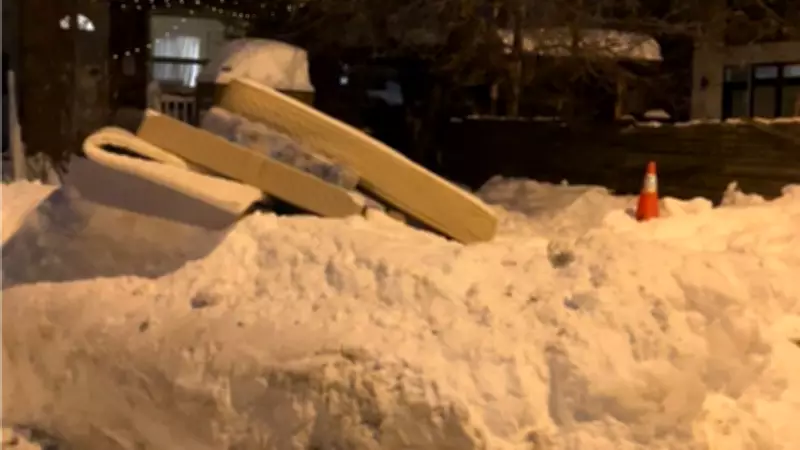
In the aftermath of the winter weather event, which deposited substantial snowfall across the city, numerous Torontonians have reported that sidewalks remain treacherous and uncleared, forcing them to take action independently. Residents describe the conditions as hazardous, with icy patches and deep snow creating barriers to safe passage. This has led to a grassroots effort where community members, armed with shovels and snow blowers, are tackling the problem on their own, often clearing not just their own properties but adjacent public walkways as well.
"It's a disaster," one local resident remarked, echoing the sentiments of many who feel let down by the city's response. The delays in sidewalk clearing have raised questions about the efficiency of Toronto's winter operations, especially in residential areas where pedestrian traffic is high. Some argue that the city's resources may be stretched thin, while others point to potential gaps in service delivery that need addressing.

Implications for Public Safety and Municipal Accountability
The ongoing issue underscores broader challenges related to urban winter maintenance in Canadian cities. Sidewalk accessibility is crucial for public safety, and prolonged neglect can lead to accidents, injuries, and increased liability for municipalities. In Toronto, bylaws typically require property owners to clear snow from sidewalks adjacent to their land within a specified timeframe, but enforcement can be inconsistent, and exceptions during severe storms may complicate compliance.
Experts note that climate change and more frequent extreme weather events could exacerbate such problems, necessitating improved strategies for snow removal and infrastructure resilience. The current situation in Toronto serves as a reminder of the importance of proactive planning and community engagement in maintaining livable urban environments during harsh winter months.
Looking Ahead: Calls for Improved Winter Services
As residents continue to grapple with the aftermath of the snowstorm, there are growing calls for the city to enhance its winter maintenance protocols. Suggestions include:
- Increasing the frequency of sidewalk plowing in high-priority areas.
- Implementing better communication systems to update residents on clearing schedules.
- Exploring technological solutions, such as GPS tracking for snow removal equipment.
- Encouraging neighborhood initiatives and volunteer efforts to supplement municipal services.
While the immediate focus is on clearing the current snow, the incident highlights a need for long-term solutions to ensure Toronto's sidewalks remain safe and accessible throughout the winter season. As one resident put it, "We shouldn't have to do the city's job, but when it comes to safety, we'll step up." This community-driven response may inspire broader discussions on how municipalities can better support their citizens during weather-related challenges.