Toronto Police Implement Long-Awaited Ban on Anti-Israel Protests in Jewish Neighborhoods
After more than two years of escalating tensions and community concerns, Toronto Police have finally taken decisive action to ban anti-Israel protests from residential streets in Jewish neighborhoods. The new directive specifically targets the Bathurst and Sheppard area, where protests have been a regular occurrence since October 2023.
Heightened Security Landscape Prompts Action
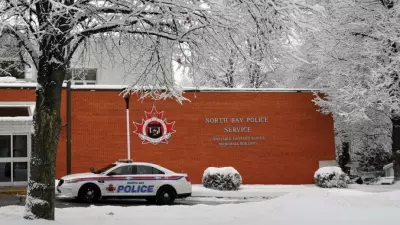
Toronto Police spokesperson Nadine Ramadan explained the decision stems from what she described as "an unacceptable risk to public safety" in the current security environment. "Due to the changing security landscape in Toronto in recent weeks, including increased volatility and heightened fear in our communities, demonstrations moving into residential neighbourhoods in the Bathurst and Sheppard area presents an unacceptable risk to public safety," Ramadan told media outlets.
The enforcement began this past Sunday, with police making their position clear to protesters who gathered at the infamous corner. Toronto Police Inspector Israel (Izzy) Bernardo, described by independent journalist Caryma Sa'd as "even handed" and "professional," set unambiguous terms for what constitutes protest activity in the area.

Clear Guidelines and Enforcement
Inspector Bernardo outlined specific parameters during his interaction with pro-Palestinian protesters. "Are you going to have flags, signs, face coverings, keffiyeh? That's a protest," he explained, adding that wearing a keffiyeh while going about normal business is acceptable, but using it to cover one's face during protest activities crosses into prohibited territory.
The veteran officer emphasized there would be no tolerance for violations. "We are not splitting hairs. If that's a game you want to play, we will have a conversation," Bernardo stated, making it clear that "no protests on residential streets" would be permitted in the designated area.
Targeted Response to Specific Concerns
Ramadan clarified that the ban doesn't eliminate all protest opportunities in the area. "Lawful demonstrations at the main intersection and along the main streets of Bathurst St. and Sheppard Ave. West may continue," she explained. "This is a targeted response to specific concerns and a measured step to reduce the risk of escalation and maintain public safety."
The decision comes after years of complaints from local residents and officials about protesters entering residential areas, with incidents including stolen mezuzahs from Jewish homes and swastikas scrawled on sidewalks. The situation reached a critical point following recent synagogue shootings in the Greater Toronto Area, raising fears of potential violence similar to the Bondi Beach murder spree in Sydney, Australia.
Political Pressure and Community Response
Local Councillor James Pasternak, who has been advocating for such measures since protests began, expressed relief at the police action. "While this is overdue, I appreciate Toronto Police stopping protestors from entering the local Jewish neighbourhood to harass and incite local residents," Pasternak stated. "It is about time the Charter rights of the local residents are protected and not just the mobs on our streets."
Pasternak had repeatedly questioned why protesters seemed to have disproportionate rights compared to residents. "What about our rights to go about our daily lives without harassment, intimidation, and incitement?" he asked during previous discussions with police.
Broader Context and Future Enforcement
The decision follows political controversy surrounding police enforcement, including Mayor Olivia Chow's comments about potential internal obstacles to laying charges, which Police Chief Myron Demkiw denied. Toronto Police have now committed to increased presence in the area, with both plainclothes and uniformed officers, as well as patrol cars, being dispatched to address potential protest activity and violent acts.

Police emphasize that the new directive represents a fundamental principle: protesters should not be able to harass citizens, block roadways, trespass in residential areas, or target places of worship. While protests may continue in designated public spaces like City Hall or Queen's Park, residential neighborhoods will now be protected from such activities.
As Ramadan summarized, this measured approach aims to balance rights while addressing "specific concerns" that have created what police describe as a "heightened state of fear" in affected communities. The enforcement action this past Sunday demonstrates police are prepared to back their words with action, making clear that violations will not be tolerated in the interest of public safety.