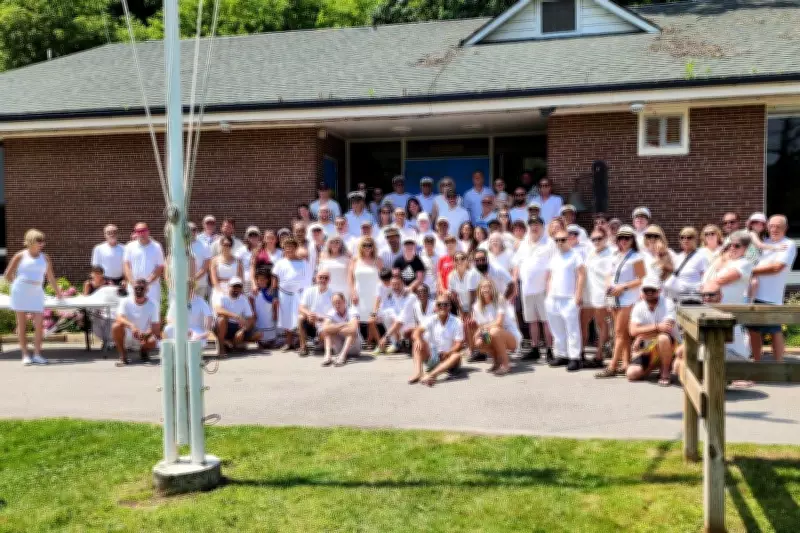
Toronto Humber Yacht Club Faces Closure After 70 Years of Operation
The Toronto Humber Yacht Club, a fixture on the Humber River since 1956, is set to close its doors after city hall decided not to renew its lease. Wilson DaSilva, the club's vice-commodore, expressed frustration over what he perceives as a lack of meaningful dialogue with municipal officials regarding the future of this longstanding community institution.
City Cites Environmental and Compliance Issues
In an emailed statement, Deputy Mayor Amber Morley, who represents the Etobicoke-Lakeshore ward where the club is located, pointed to lease compliance issues dating back to 2018. These concerns include environmental problems, inconsistent uses of the site, and unauthorized structures. Morley emphasized that despite a site tour and discussions in July 2025, the underlying compliance issues remained unresolved, leading to the lease's expiration last July.
The City of Toronto, in a separate statement, acknowledged the closure's impact on members but stated that motorized watercraft are putting pressure on this ecologically sensitive area. Following an evaluation with the Toronto and Region Conservation Authority, city staff determined that a less intensive land use would better support ecological management objectives along the Humber River.

Club Denies Real Dialogue and Highlights Community Ties
DaSilva countered the city's claims, denying there was any "real dialogue" and suggesting that the decision to close the club had already been made before Morley's tour. He described the club as the smallest and most affordable in Toronto, catering to a blue-collar, working-class crowd with strong community ties, including regular food drives and partnerships with the Boy Scouts for wildlife preservation work.
The vice-commodore also addressed the issue of Jet Skis on the river, which city hall has complained about. He admitted that this became a problem during COVID-19 but noted that the club only stores about a dozen such machines and has been working to phase them out. DaSilva argued that nuisance Jet Skiers are not affiliated with the club, yet public opinion often blames them for the disruptions.
Environmental Stewardship and Future Plans
DaSilva emphasized the club's role as stewards of the river, organizing volunteer clean-ups twice a year to remove debris. He questioned the city's environmental rationale, suggesting that evicting the club removes some of the people who care most about the Humber River's health.
Looking ahead, the city plans to engage the public on future uses for the site that align with ecological management and public access. DaSilva lamented the lack of a phased closure plan, which could have allowed members to adjust, particularly those who invested savings in boats that may now need to be sold at a loss.
As the Toronto Humber Yacht Club winds down after seven decades, this closure highlights ongoing tensions between urban development, environmental priorities, and community preservation in Canada's largest city.