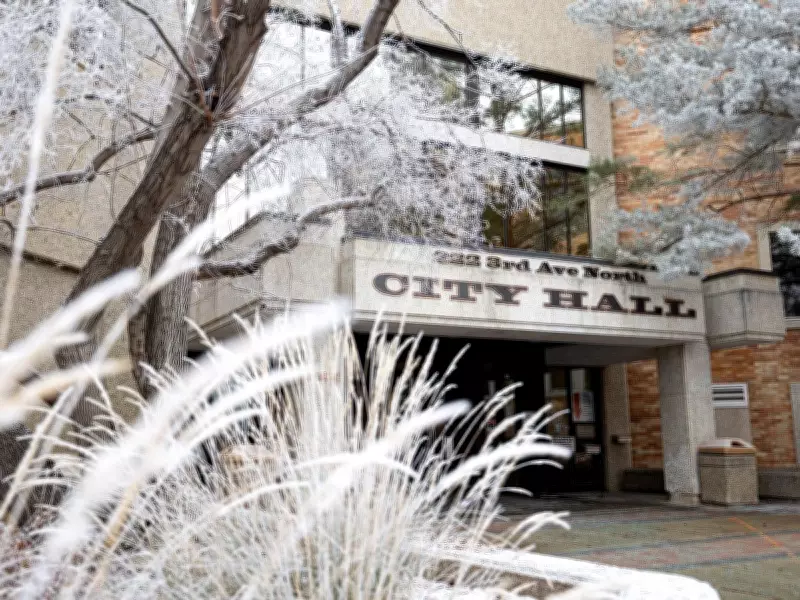
City administration in Saskatoon has presented a comprehensive framework for prioritizing infrastructure development along corridors associated with the Link Bus Rapid Transit system. The detailed plan was unveiled during a Wednesday meeting of the planning, development and community services committee at Saskatoon City Hall.
Corridor Planning Structure and Current Progress
According to an information report presented to the committee, the Link BRT corridors have been divided into ten distinct planning areas. Work is already actively progressing on two of these corridor plans: the Nutana corridor and the College Drive corridor. The College Drive corridor plan has already been completed, while plans for the Nutana corridor are anticipated to be finalized by the end of this year.
Development Components and Community Impact
The corridor developments encompass a range of urban improvements designed to enhance community livability and connectivity. These initiatives include rezoning portions of neighborhoods to permit multi-unit housing developments, improving and widening sidewalks for pedestrian safety, and creating new park spaces and recreational pathways. The overall goal is to create more vibrant, accessible, and sustainable communities along the transit routes.

Evaluation Framework for Prioritization
City administration has established a formal evaluation process to determine the priority order for developing the remaining corridor plans. This process utilizes criteria across six distinct categories: market demand and public interest, servicing requirements, project alignment with city goals, connectivity to key areas, public realm enhancements, and equity considerations.
Notably, these categories are not weighted equally in the evaluation. Market demand and public interest carry the most significant weight in the decision-making process, while connectivity factors are given the least weight. This weighting reflects the city's focus on responding to development pressure and community needs.
Community and Developer Input
To inform the prioritization process, the city conducted two separate online surveys in January: one targeting the development community and another for the general public. While a complete breakdown of responses was not provided in the initial report, officials confirmed they received 24 responses from developers and 340 responses from public participants.
One key question posed to developers asked them to rate the market demand for multi-unit housing in each of the plan areas. According to the survey results, developers indicated the highest demand exists in University Heights and along Eighth Street and 22nd Street corridors. Conversely, areas such as Holmwood and Blairmore were identified as having the lowest market demand for this type of housing.
Priority Corridors Identified
Based on the combined feedback from both surveys and the application of the evaluation criteria, city administration has identified the next three corridor plans for development. The prioritized corridors are 22nd Street, Eighth Street, and Woodlawn.
The remaining corridors awaiting future planning include Blairmore, Lawson, University Heights, Preston, and Holmwood. These areas essentially encompass the neighborhoods surrounding where the Link BRT system will operate.
Committee Discussion and Clarifications
During the committee meeting, Councillor Jasmin Parker requested access to the complete dataset from the surveys. She noted that the Preston corridor, which includes part of Preston Avenue, received high ratings in the information presented to the committee, yet it was not prioritized ahead of the Woodlawn corridor in the final recommendations.
City administration explained that factors like connectivity—which carries less weight in the evaluation—may have resulted in areas like Preston ranking lower overall. Specifically, they noted that Preston is not as well connected to Saskatoon's downtown core compared to other corridors, which affected its priority standing.

Mayor Cynthia Block sought clarification on the overall status of all corridor plans, requesting a comprehensive overview of where each planning area stands in the development timeline. This inquiry underscores the city's commitment to transparent, strategic urban planning that aligns with both current needs and long-term vision for Saskatoon's growth and transportation infrastructure.