Prince Albert City Council Deadlocked on Tax Bylaws, Forcing Another Meeting
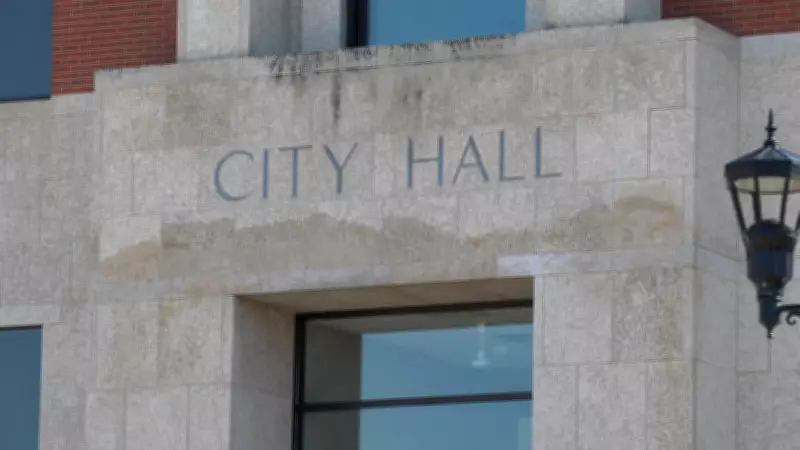
Prince Albert city council has hit a significant roadblock in its efforts to advance key tax legislation, with members failing to reach the unanimous consent required to move forward. The division among councilors has stalled the third reading of both property and special tax bylaws, compelling the scheduling of an additional meeting to address the ongoing disagreements.
Unanimous Consent Eludes Council on Critical Tax Measures
The council's inability to secure unanimous approval for the bylaws underscores deep-seated differences in fiscal policy and municipal governance. This procedural hurdle, which mandates full agreement for progression, has effectively paused the implementation of proposed tax changes, leaving both the administration and the public in a state of uncertainty. The deadlock reflects broader debates over taxation strategies and their impact on the community.
Implications for Local Governance and Community Services
The stalled bylaws could have far-reaching consequences for Prince Albert's budget planning and service delivery. Property and special taxes are crucial revenue streams that fund essential municipal operations, from infrastructure maintenance to public safety initiatives. The delay in passing these measures may disrupt financial projections and hinder long-term planning efforts, potentially affecting the quality of life for residents.

Councilors are now tasked with reconciling their differences in the upcoming meeting, where they must find common ground to advance the legislation. The need for another session highlights the challenges of achieving consensus in local government, particularly on contentious fiscal matters that directly impact taxpayers.
Broader Context of Municipal Tax Debates
This impasse in Prince Albert mirrors similar struggles in municipalities across Canada, where councils often grapple with balancing revenue needs against taxpayer burdens. The debate over property and special taxes is not unique to this city, but it emphasizes the delicate balance required in municipal finance. As councilors prepare for the next meeting, they will need to consider both economic realities and community feedback to craft a viable path forward.
The outcome of this additional meeting will be closely watched by stakeholders, including local businesses, residents, and advocacy groups, all of whom have a vested interest in the final shape of the tax bylaws. The council's ability to resolve this deadlock will serve as a test of its collaborative governance and commitment to fiscal responsibility.