The Delicate Art of Political Promise-Breaking
In the complex world of politics, a fundamental tension exists between honoring campaign commitments and adapting to new evidence or changing circumstances. This delicate balance between principle and pragmatism represents one of governance's most challenging aspects, where the best ideas should ideally prevail regardless of their origin.
Edmonton's Density Decision: Broken Promise or Prudent Pivot?
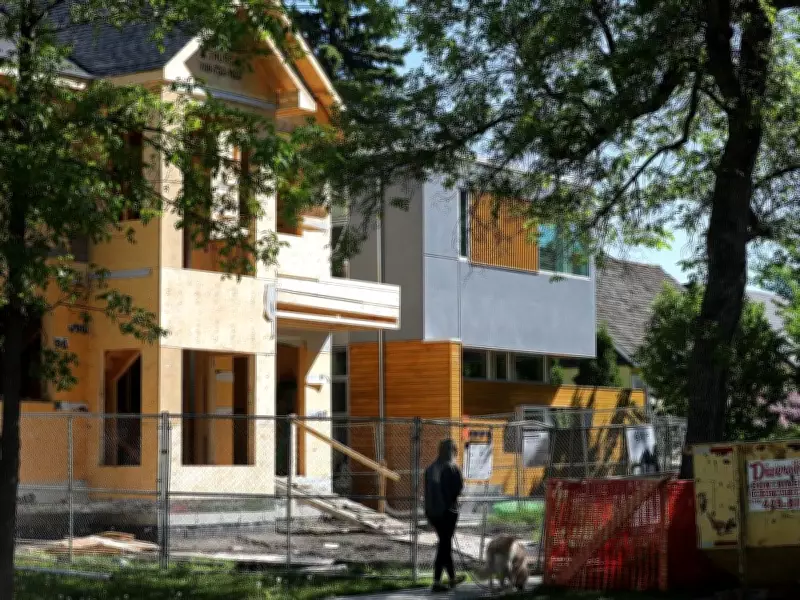
On the surface, Edmonton city council's recent decision to maintain eight-plex maximums for infill development in mature neighborhoods appears to contradict previous commitments from Mayor Andrew Knack and council members Michael Janz and Ashley Salvador. All three had previously supported limiting interior lots to six-plexes, with Knack making this pledge a central component of his campaign platform.
When Councillor Karen Principe proposed reducing maximum units from eight to six last week – following recommendations from city administration and receiving tepid support from some developers – the decision by Knack, Janz, and Salvador to vote against the motion created understandable frustration among homeowners and community groups who felt their expectations had been betrayed.

New Information Demands New Approaches
However, a deeper examination reveals that council's decision represents an appropriate response to valuable new information gathered through Edmonton's governance process. The city's non-partisan municipal structure creates an environment particularly suited to evidence-based decision-making, where council members can maintain open minds and adjust positions after considering arguments from colleagues, administrators, and the public.
During recent deliberations, council heard compelling testimony suggesting that unit maximums might not represent the most critical factor in community development. Instead, numerous public speakers emphasized that building size and shape – what urban planners call "massing" – deserve greater attention in determining appropriate infill development.
Practical Considerations and Housing Implications
Additional factors influenced council's ultimate decision. Members learned that most infill lots in Edmonton already lack sufficient space to accommodate eight-plexes under existing regulations. Furthermore, projections indicate a likely slowdown in the infill construction market following several years of intense activity.
Perhaps most significantly, concerns emerged that reducing unit maximums could jeopardize the financial viability of future projects, potentially driving development activity away from Edmonton and undermining recent progress in housing choice and affordability. Confronted with this comprehensive information, council chose to maintain the eight-unit limit while pursuing alternative measures.
A Balanced Approach to Development
Rather than reducing dwelling limits, Edmonton council will explore reducing maximum building heights from 10.5 meters to 9.5 meters and consider implementing new bylaws to protect trees during construction. A public hearing on these proposals is tentatively scheduled for April, providing further opportunity for community input.
This approach demonstrates how municipal governance can balance competing priorities – respecting community concerns while maintaining momentum toward housing goals. The Edmonton case exemplifies how political promises might reasonably evolve when confronted with substantive evidence, contrasting with more rigid partisan environments where ideological consistency often trumps practical considerations.
The broader lesson extends beyond municipal boundaries to all levels of government, where the tension between campaign rhetoric and governing reality creates constant challenges for elected officials. Whether discussing Edmonton's density limits or an MP's party defection, the art of political promise-breaking involves careful consideration of when principles should yield to practical realities for the greater public good.