Ottawa's Bicentennial Prompts Urgent Calls for Urban Improvements
As Ottawa prepares to celebrate its 200th anniversary in 2026, residents are seizing the milestone as an opportunity to advocate for critical urban enhancements. The convergence of traffic congestion and revitalization efforts in the historic ByWard Market has sparked a passionate public discourse, with citizens submitting letters to the editor highlighting pressing concerns.
ByWard Market Safety and Accessibility Concerns
A former busker who performed in the ByWard Market recently shared a sobering perspective on the area's challenges. After leaving the market due to safety concerns, they described encountering individuals struggling with addiction and homelessness, concentrated near missions and outreach centers in the Rideau/ByWard vicinity.
"On my final day there I collected a handsome haul of tips and entertained hundreds of people … for free," the former performer noted, emphasizing that rock and roll venues, temporary rinks, and unsustainable vegetable markets fail to address core issues. Instead, they advocate for improved education for youth to prevent future generations from facing similar hopeless circumstances.

Another resident, Pat Tierney from Cardinal, Ontario, expressed concerns about proposed "car-less" concepts for the market. "I can name at least 20 people, without even thinking about it, who won't be returning if there is no parking, myself included," Tierney wrote. They highlighted that many visitors from outside the city are already choosing destinations like Kingston over Ottawa due to parking difficulties, undermining the market's potential as a regional attraction.
Traffic Gridlock Demands Immediate Attention
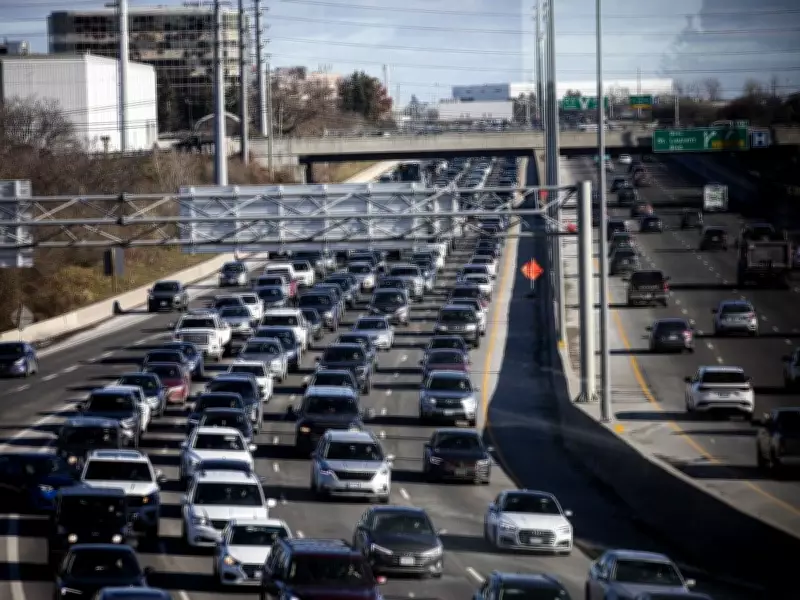
Herb van der Staay of Ottawa proposed that the most meaningful bicentennial celebration would involve dramatically improving traffic flow across the city. They criticized what they described as "total chaos and gridlock created by misguided city planners" and identified multiple bottlenecks requiring intervention.
Key trouble spots include:
- Elgin Street
- Main Street
- Bank Street
- Parkdale Avenue
- Bronson Avenue
- St. Patrick Street
Van der Staay specifically pointed to the transition from four lanes to two lanes on Smyth Road at Main Street as an example of poor planning that should never have been permitted. Their recommendations include:
- Eliminating on-street parking on major arteries
- Converting those spaces back to traffic lanes
- Utilizing bus lanes to enhance overall traffic movement
"Ottawa is growing, like it or not. There will be more traffic. How will you deal with that?" van der Staay questioned, arguing that narrowing streets represents a counterproductive approach to managing increasing vehicular volume.
Environmental and Practical Considerations
The traffic discussion extends beyond convenience to encompass environmental impacts. Extended idling in downtown Ottawa contributes unnecessarily to air pollution, making efficient traffic flow both a practical and ecological imperative. Meanwhile, the ByWard Market debate balances preservation of historic character against modern accessibility needs.
As Ottawa approaches its bicentennial, these letters reflect a community deeply engaged in shaping their city's future. The twin challenges of revitalizing public spaces while improving transportation infrastructure will require thoughtful planning and community input to ensure the city's next century begins on solid footing.