Ottawa's Winter Challenge: Residents on the Hook for Clearing Windrows
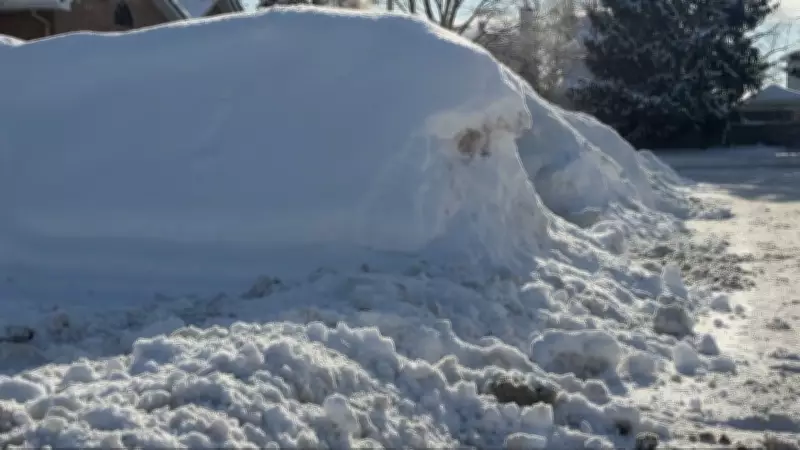
As winter tightens its grip on the nation's capital, Ottawa residents are grappling with a familiar seasonal hurdle: the windrow. This term refers to the substantial accumulation of ice and snow deposited at the end of driveways by municipal snowplows. In a policy that places the onus squarely on homeowners, the city has clarified that it will not undertake the removal of these windrows, leaving residents to manage the cleanup themselves.
Understanding the Windrow Dilemma
The windrow phenomenon occurs when city plows clear roadways, inadvertently pushing snow and ice into driveways. This creates a formidable barrier that can hinder vehicle access and pose safety risks. For many Ottawa homeowners, this translates into additional labor and potential costs during the already demanding winter months. The policy underscores a broader municipal strategy focused on efficient road clearing while delegating driveway-related snow removal to property owners.
Municipal Policy and Resident Responsibilities
Ottawa's approach aligns with common practices in many Canadian cities, where windrow clearing is typically considered the responsibility of residents. The city emphasizes that its primary mandate is to ensure safe and navigable public roads, a task that requires plows to operate continuously during snow events. This operational reality means that windrows are an unavoidable byproduct of essential winter maintenance services.

Residents are advised to:
- Plan for windrow clearing as part of their winter preparedness
- Use appropriate snow removal equipment for the task
- Consider timing their own snow clearing to minimize windrow accumulation
- Be aware of municipal bylaws regarding snow disposal
Community Impact and Practical Considerations
The windrow policy has practical implications for Ottawa's diverse population. Elderly residents or those with mobility challenges may find the physical demands of windrow clearing particularly daunting. Some community organizations and private services offer assistance, but these options may involve additional expenses. The situation also raises questions about equitable access to city services during extreme weather conditions.
As winter progresses, the windrow issue serves as a reminder of the complex balance between municipal resource allocation and individual homeowner responsibilities in Canada's challenging climate.